Researched overview. This guide is based on published dermatology guidance, not on hands-on testing by BeautyKob. No product, supplement or brand is recommended, and no dose is given.
Table Of Content
- Quick answer
- What soft skin is
- Why skin gets rough
- The four daily habits
- The morning routine
- The evening routine
- Exfoliation
- Moisturiser by skin type
- Natural options, honestly
- Food, water and sleep, honestly
- Common mistakes that reduce softness
- How long it takes
- Patch test
- When to get help
- Frequently asked questions
- Summary
Quick answer
Soft skin is hydrated, smooth skin with a working barrier. Keeping it that way is a maintenance job, not a treatment: a gentle cleanser, hydration on damp skin, a plain moisturiser, and broad-spectrum sunscreen SPF 30 or higher every morning. Exfoliate gently once or twice a week at most. Skip harsh cleansers, strong scrubs, too many actives at once, and hot water. No product makes skin permanently soft, and no food or drink softens skin from the inside — softness comes from the routine you repeat every day. This guide is general information, not medical advice.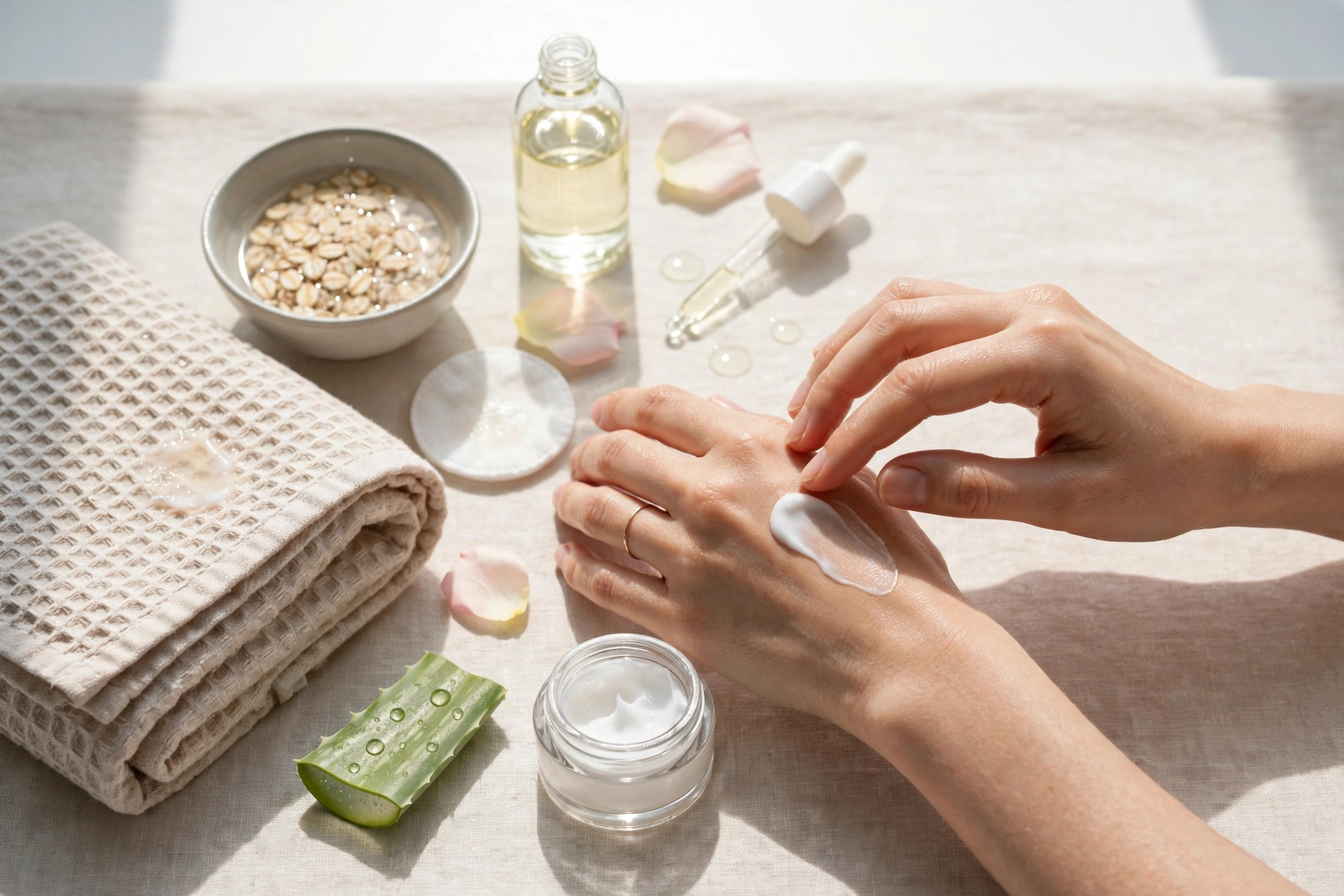
Contents: What soft skin is · Why skin gets rough · The four daily habits · The morning routine · The evening routine · Exfoliation · Moisturiser by skin type · Natural options, honestly · Food, water and sleep, honestly · Mistakes · How long it takes · Patch test · When to get help · FAQ
What soft skin is
Soft skin feels smooth and comfortable, not tight or rough. It is skin that is hydrated on the surface and whose barrier — the outer layer that keeps water in and irritants out — is intact. When the barrier is weakened, water escapes faster, the surface dries out, and skin feels rough, tight or flaky.
Softness is not the same as youth or firmness. A cream cannot make skin younger or firmer, and no routine makes skin permanently soft. The honest goal is simpler: keep the surface hydrated and the barrier undisturbed, day after day, so skin stays comfortable.
Why skin gets rough
Roughness usually has a short list of causes:
- Dry air and weather. Cold wind, low humidity, indoor heating and air conditioning all dry the surface.
- Sun. Sun exposure dries the surface and damages the barrier over time, which is why sunscreen is part of a softness routine, not an extra.
- Harsh washing. Hot water, strong soaps and foaming cleansers strip the skin’s natural oils.
- Over-exfoliation. Scrubs and strong acids used too often damage the barrier instead of smoothing it.
- Too many actives. Several strong products at once irritate the skin, and irritated skin feels rough, not soft.
- Skipping moisturiser. Without a moisturiser to seal water in, hydration from a serum evaporates quickly.
Knowing the cause matters because the fix is different: dry air needs a richer moisturiser; over-exfoliation needs a break from exfoliation, not a stronger one.
The four daily habits
Everything in this guide comes back to four habits:
- Cleanse gently. Lukewarm water and a mild cleanser, twice a day. Skin should feel soft afterwards, not tight.
- Hydrate on damp skin. A humectant — hyaluronic acid or glycerin — applied while the skin is still slightly damp, so it has water to draw in.
- Moisturise. A plain moisturiser seals the hydration in and supports the barrier. Ceramides, glycerin, squalane and hyaluronic acid are the ingredients that matter most.
- Protect in the morning. Broad-spectrum sunscreen, SPF 30 or higher, every morning, reapplied every two hours when outdoors. Sun is one of the main things that makes skin rough over time.
That is the whole routine. Anything else is optional.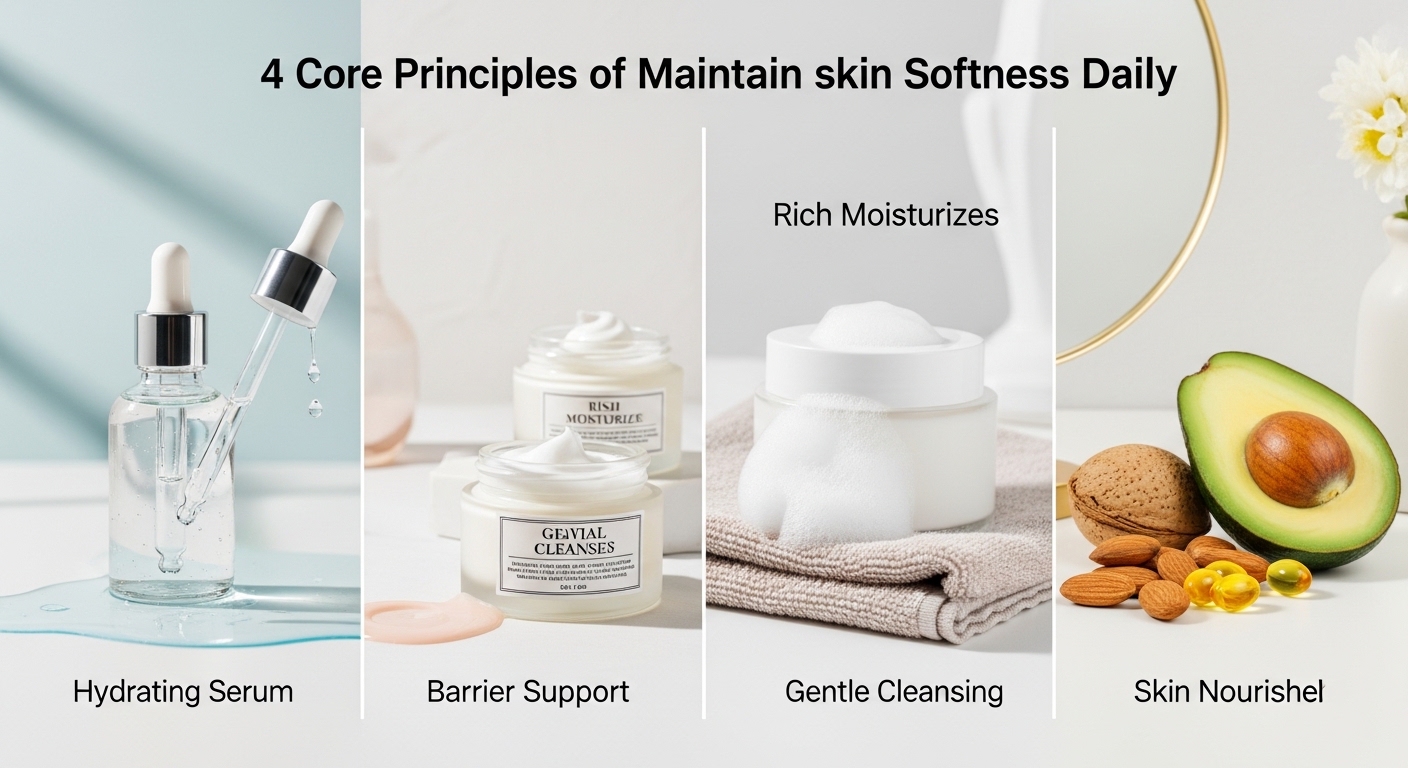
The morning routine
- Cleanse gently. Lukewarm water and a mild cleanser. If your skin feels very dry, lukewarm water alone is enough in the morning.
- Hydrating step on damp skin. A glycerin or hyaluronic acid serum, or a light hydrating toner. Pat it on, do not rub hard.
- Moisturiser. A light lotion for oily skin, a richer cream for dry skin, while the skin is still slightly damp.
- Sunscreen, last step. Broad-spectrum SPF 30 or higher, applied generously, including the neck. Reapply every two hours when outdoors, or after swimming or sweating.
The evening routine
- Cleanse. A gentle cleanser to remove sunscreen, dirt and pollution.
- Hydrating step on damp skin. The same serum as the morning, or none at all — the moisturiser is the step that matters most.
- Moisturiser. A slightly richer cream if your skin is dry. That is enough.
Do not add a strong active every night in the name of softness. Retinoids and acids are treatments for specific concerns, not softness steps, and they make skin rougher at first if introduced too fast.
Exfoliation
Exfoliation removes dead cells from the surface, which can make skin feel smoother. It is the easiest step to overdo, and over-exfoliation is one of the commonest causes of roughness.
- Once or twice a week at most. A mild chemical exfoliant (a low-strength lactic acid product or a PHA product) or an enzyme mask is enough.
- Never on the same day as a retinoid when you are starting out. Introduce one active at a time.
- Stop if skin feels tight, stings, flakes or looks red. Those are signs the barrier is unhappy, and the fix is a break from exfoliation, not a different exfoliant.
- Physical scrubs are not necessary. If you use one, it should be very gentle, used rarely, and never on irritated skin.
Exfoliation does not “deep clean” the skin, and it does not make products absorb better. It removes surface cells. That is all it does, and that is enough.
Moisturiser by skin type
- Dry skin. Richer creams, and an occlusive step — a balm or a few drops of a plain oil such as jojoba or rosehip after moisturiser — on dry patches. Avoid alcohol-based products and harsh cleansers.
- Oily or combination skin. Light, gel or lotion textures, labelled non-comedogenic. Moisture does not make skin oilier — dehydrated skin can feel tight and look shiny at the same time. Use richer cream only on the dry areas.
- Sensitive skin. Fragrance-free products with short ingredient lists. Patch test every new product (see below) and introduce one thing at a time. Skip strong acids and retinoids until the skin is calm.
The ingredient list matters more than the price or the brand. Ceramides, glycerin, hyaluronic acid and squalane are the ingredients with the best support for keeping skin soft. Peptides are often listed alongside them, but the evidence for peptides in skincare is thin — they are an optional extra, not a reason to choose a product.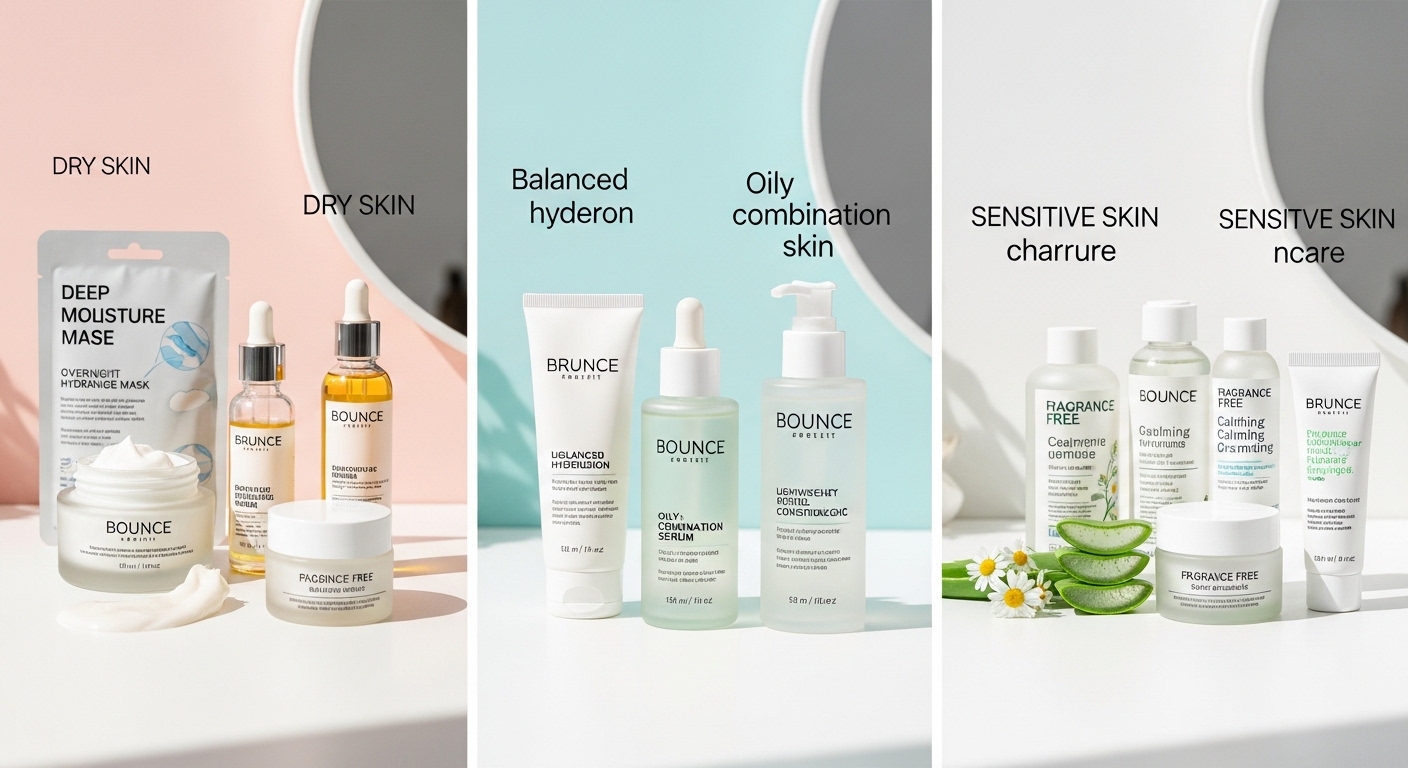
Natural options, honestly
- Aloe vera gel. Cools and soothes, and hydrates lightly. Limited evidence for calming redness; choose fragrance-free and alcohol-free.
- Honey masks. Honey is a humectant and can feel soothing. There is no good evidence it repairs the barrier or keeps skin soft long term. Patch test first.
- Oatmeal packs. Colloidal oatmeal can calm itching and dryness. The US FDA lists colloidal oatmeal as a skin protectant. A plain oatmeal mask is a comfort measure, not a treatment.
- Cold-pressed oils. Jojoba, almond or rosehip oil can seal in moisture as an occlusive step after moisturiser. Oils do not hydrate on their own — water moisturises, oil seals.
- Fruit-based masks. Avocado, cucumber or papaya feel hydrating and contain vitamins. They are a pleasant short-term step, not a treatment, and they do not feed the skin from the outside.
Natural options are a complement to a short routine, not a replacement for it.
Food, water and sleep, honestly
- Food. A balanced diet with enough protein, healthy fats and a variety of fruit and vegetables supports general health. It does not directly make skin soft or firm. Eating foods that contain collagen, such as fish, eggs or bone broth, does not directly maintain collagen in the skin — the body breaks collagen down during digestion.
- Water. Drinking water is good for your general health, but it does not directly hydrate skin. Topical moisture — humectants on damp skin, sealed in with moisturiser — is what hydrates skin.
- Sleep and stress. Poor sleep and ongoing stress make skin feel worse and make it harder to stick to a routine. Sleep is not a skin treatment, and no amount of sleep repairs skin cells on a schedule. Keep evenings calm, but do not expect sleep alone to change your skin’s texture.
Common mistakes that reduce softness
- Washing too much, or with hot water. Twice a day with a gentle cleanser and lukewarm water is enough. Hot water strips the skin’s natural oils.
- Exfoliating every day. More exfoliation does not mean smoother skin. It usually means a damaged barrier.
- Skipping moisturiser. Especially after cleansing or exfoliating, when the skin loses water fastest.
- Skipping sunscreen. Sun dries the surface and damages the barrier, which is the opposite of softness.
- Using many actives at once. If you are using several strong products, you cannot tell which one is causing the roughness. Go back to three steps and rebuild slowly.
- Rubbing the skin dry. Pat dry with a soft towel. Rubbing irritates skin that is already dry.
How long it takes
Be honest about timelines — there is no fixed schedule:
- Days: skin can feel softer and less tight once it is properly hydrated.
- Weeks: texture usually improves gradually if the routine stays short and gentle. Give each change at least two to four weeks before judging it.
- Longer: lasting softness comes from a routine you keep, not from a product you try once. If the skin is still rough, flaky or irritated after several weeks of gentle care, see a dermatologist — the cause may be a condition that needs treatment, not a better moisturiser.
Regularity matters more than intensity. A short routine used every day beats a long routine used for a week and abandoned.
Patch test
Test any new product before using it on your face. The American Academy of Dermatology recommends testing a new product before using it on your face: apply a small amount to a quarter-sized patch of skin on the inside of your arm or the bend of your elbow, twice a day for 7 to 10 days. If there is redness, itching or swelling, do not use it on your face. A 24-hour test can miss an allergic reaction, which often takes several days to appear — that is why this guide uses the AAD 7–10 day patch-test method.
When to get help
Ask a dermatologist or pharmacist if: your skin is persistently dry, scaly or flaking despite gentle care; you have redness, cracking, bleeding or itching that does not settle; you have a skin condition such as eczema, psoriasis or dermatitis; or you are unsure whether a product is safe for you. Bring the products you use, or photos of their ingredient lists.
Frequently asked questions
Q1: How can I maintain skin softness daily?
Gentle cleansing, hydration on damp skin, a plain moisturiser, and sunscreen every morning. Exfoliate gently once or twice a week at most, and keep the routine short.
Q2: Which ingredients help keep skin soft?
Hyaluronic acid, glycerin, ceramides and squalane. Peptides are often listed too, but the evidence for them is thin.
Q3: Can sensitive skin benefit from a daily softening routine?
Yes — use fragrance-free products with short ingredient lists, patch test every new product, and skip strong actives until the skin is calm.
Q4: How often should I exfoliate for soft skin?
Once or twice a week with a mild chemical exfoliant or enzyme mask. Stop if the skin feels tight, stings or flakes.
Q5: Does drinking more water make my skin soft?
No. Drinking water is good for your general health, but it does not directly hydrate skin. Topical moisture — humectants on damp skin, sealed in with moisturiser — is what hydrates skin.
Summary
Soft skin is hydrated skin with a working barrier, and keeping it that way is a maintenance job: gentle cleanse, hydration on damp skin, plain moisturiser, and SPF 30+ every morning, with gentle exfoliation once or twice a week at most. Skip hot water, harsh cleansers, daily exfoliation and too many actives at once. Food and water support general health but do not directly soften skin. Patch test every new product for 7 to 10 days, give the routine two to four weeks before judging it, and see a dermatologist if the skin stays rough, flaky or irritated.
Sources: American Academy of Dermatology, 7 Rosacea skin care tips (patch-test method: apply a new product to a quarter-sized patch of skin on the inside of the arm for 7–10 days); American Academy of Dermatology, How to select anti-aging skin care products (broad-spectrum sunscreen, SPF 30 or higher every morning, reapply every two hours outdoors). This is a researched overview, not a hands-on review.