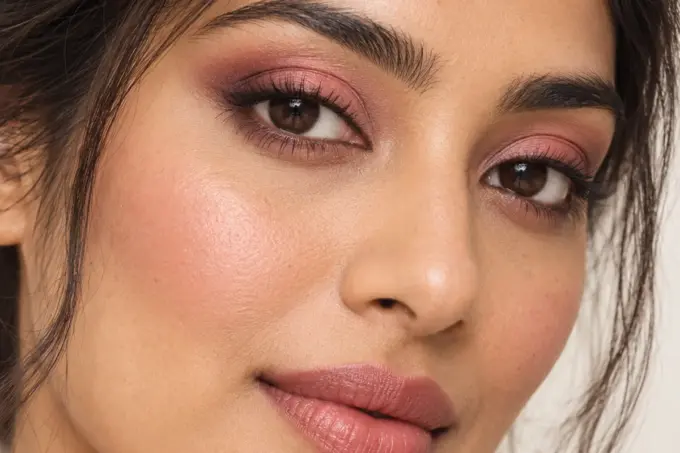
Researched overview. This guide is based on published safety guidance and makeup technique, not on hands-on product testing by BeautyKob. No product in this guide was tested by us, and no brand is recommended.
Table Of Content
- Quick answer
- What you need, and what you can skip
- 10 pink eyeshadow looks with shade combinations
- 1. Sheer rose wash
- 2. Dusty pink with taupe definition
- 3. Peach-pink everyday eyes
- 4. Rose-gold center lid
- 5. Mauve pink with plum depth
- 6. Raspberry statement lid
- 7. Pink and chocolate outer corner
- 8. Pastel pink with a soft brown wing
- 9. Pink halo with a satin center
- 10. Berry evening eye
- Make the placement work on your eyes
- Three common blending problems
- Eye safety
- Sunscreen under makeup
- Patch test
- FAQ
- Summary
Quick answer
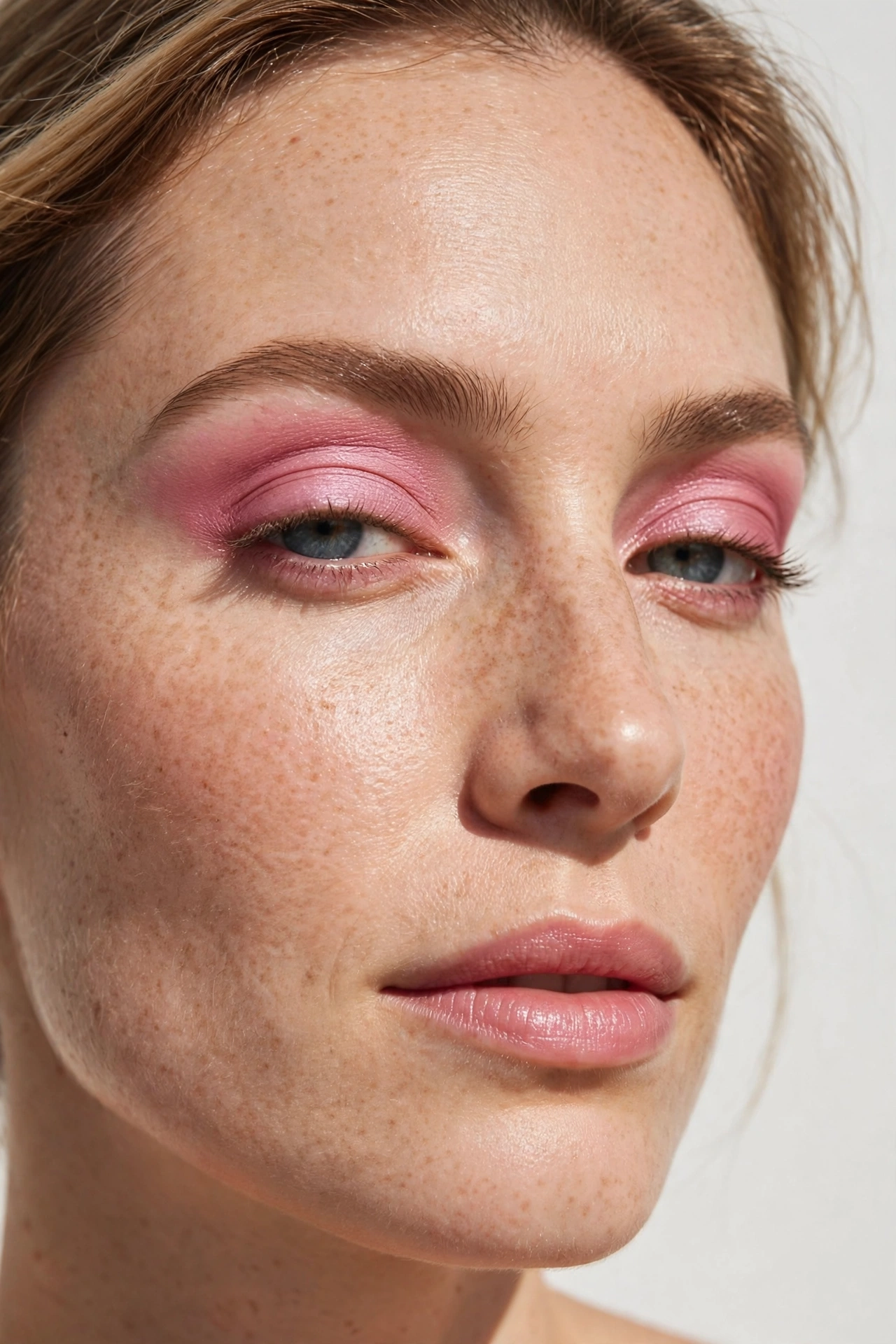
Pink eyeshadow can be as quiet as a sheer rose lid or as strong as a berry outer corner. The most useful way to choose a look is to decide how much contrast you want, then pick a pink that stays visible against your own eyelid color. You do not need a large palette to begin: one pink, one neutral brown, mascara and two brushes cover most of these ten looks.
The color in the pan is not a guarantee of the color on your eyelid. Test a small area first and judge the visible result in daylight. Actual colors vary by product, skin and lighting.
If your eyes sting, water or redden after using a shadow, stop using it. This guide is general information, not medical advice.
Contents: What you need · Ten looks · Placement on your eyes · Blending problems · Eye safety · Sunscreen under makeup · Patch test · FAQ
What you need, and what you can skip
Gather an eye primer if you use one, one pink shadow, a neutral brown, mascara and two brushes: a flat brush for placing color and a fluffy brush for softening edges. A small detail brush helps with narrow areas. Liner, shimmer and false lashes are optional, rather than requirements for a finished look.
Before choosing a bright pigment, read its intended-use label. Not every pink face pigment is suitable for the eye area. Use products intended for eyes and keep applicators clean. Do not substitute lip liner for eyeliner: lip products can carry contamination from the mouth, and their color additives may not be approved for use around the eyes. (FDA eye cosmetic safety guidance.)
10 pink eyeshadow looks with shade combinations
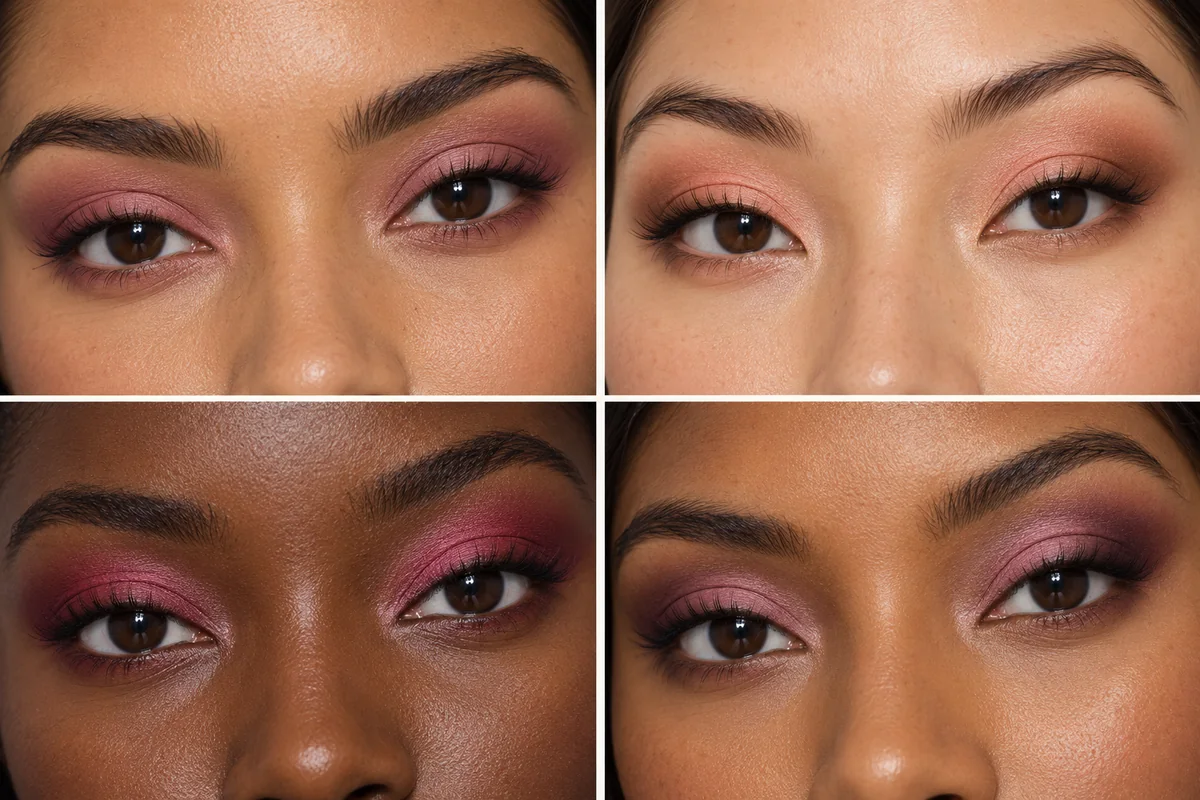
1. Sheer rose wash
Shades: Muted rose + soft brown. Sweep rose over the mobile lid, stopping before the brow. Blend only the perimeter, then add brown sparingly at the outer lash line. Finish with mascara. Keep the pink layer sheer for a soft finish, or build a second thin layer if it disappears against your lid.
2. Dusty pink with taupe definition
Shades: Dusty rose + neutral taupe. Place taupe at the outer third and pink across the center and inner lid. Blend where they meet without dragging taupe across the entire pink area. This is a useful option if warm pinks turn too orange on you.
3. Peach-pink everyday eyes
Shades: Muted peach-pink + warm brown. Press peach-pink over the lid and use warm brown to define the outer corner. Keep the brown low and close to the lashes for a lighter result. Pair with softly defined brows and a lip color near your natural lip depth.
4. Rose-gold center lid
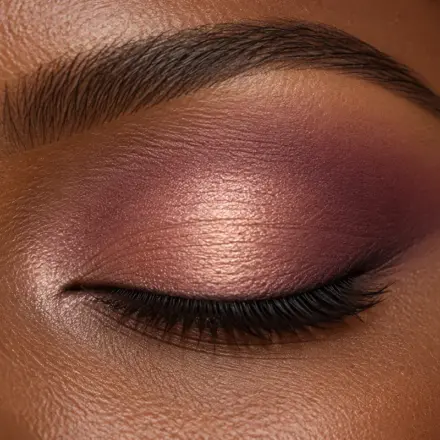
Shades: Matte rose + eye-area satin rose gold. Build the matte shape first, then press a small amount of satin color onto the middle of the lid. Leave the outer corner matte so the center catches the light. Skip loose glitter; a smooth satin finish can give dimension without large particles.
5. Mauve pink with plum depth
Shades: Mauve pink + plum. Place mauve over the visible lid and add plum in a small outer-corner wedge. Blend the plum toward the center a little at a time. If it looks bruised rather than deliberate, reduce the lower-lash shadow and give the upper lash line a clearer edge.
6. Raspberry statement lid
Shades: Raspberry + neutral brown. Press raspberry onto the lid with a flat brush, then use a clean brush to diffuse the boundary. Add brown only where you want depth. Keeping most of the pigment above the upper lashes creates a bold look without surrounding the entire eye in pink.
7. Pink and chocolate outer corner
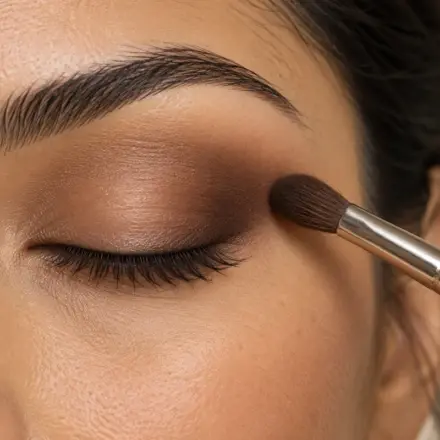
Shades: Medium rose + chocolate brown. Place chocolate along the outer upper lashes and blend it slightly upward. Add rose across the remaining lid. This creates a clear light-to-dark transition and works when you want a more defined eye without using black shadow.
8. Pastel pink with a soft brown wing
Shades: Pastel pink + brown eye pencil. Tap a thin layer of pink onto the lid, then sketch a short brown wing with your eyes open. Keep the line narrow so it does not cover the pink. If the pastel looks chalky, use less opaque color or switch to a deeper rose.
9. Pink halo with a satin center
Shades: Deep rose + lighter satin pink. Add deep rose to the inner and outer lid, leaving a small central space. Press lighter pink into that space and soften the joins. Keep product away from the tear duct and do not extend the inner dark area farther than feels comfortable for your eye shape.
10. Berry evening eye
Shades: Berry + espresso + rose satin. Build berry over the lid, deepen only the outer lash line with espresso and add a small rose-satin highlight at the center. Start with the top lid; decide whether any lower-lash color is needed after looking at the complete face.
Make the placement work on your eyes
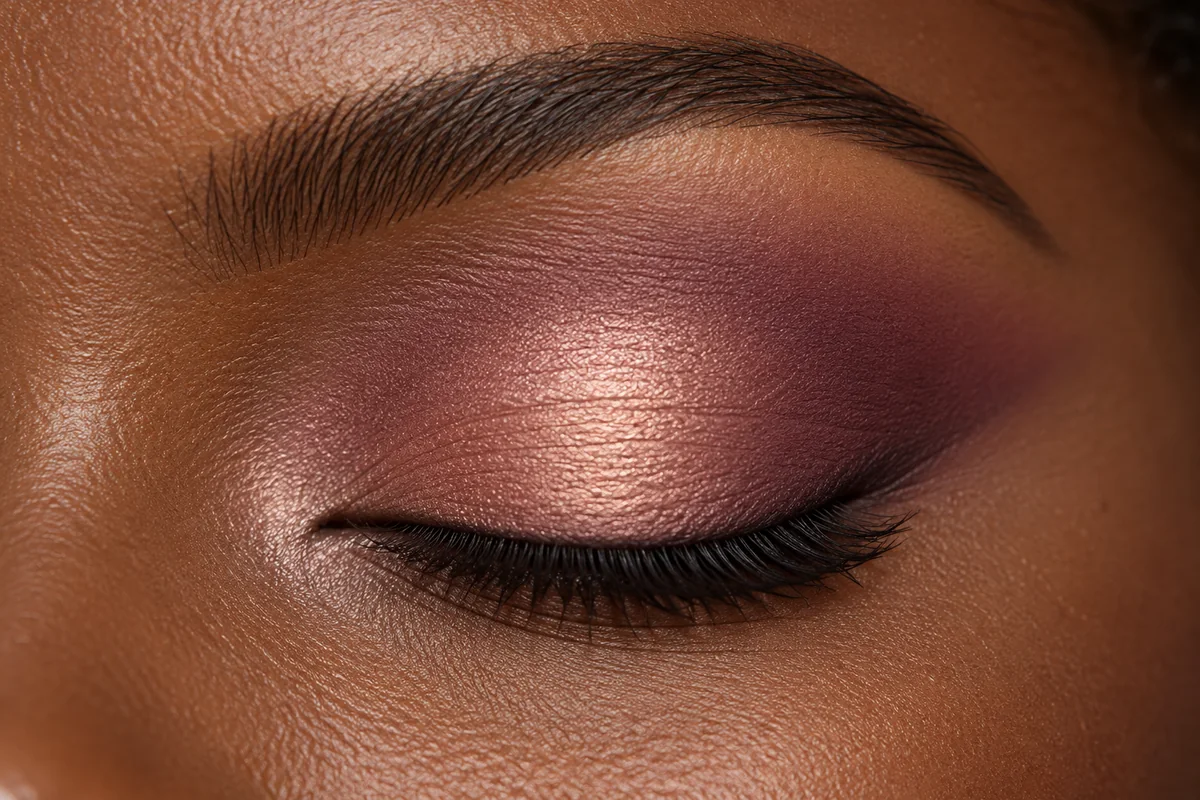
If your lid folds cover the color: Look straight into a mirror with relaxed brows. Mark where a little pink remains visible above the fold, then blend toward that point. Keep the outer edge compact until you have checked both eyes.
If your lid space is small: Choose a thin layer of one pink and keep dark shadow close to the upper lashes. A very wide dark crease can swallow the lighter shade.
If the pink barely shows: Try a richer rose or berry rather than adding many layers of pale shadow. The color in the pan is not a guarantee of the color on your eyelid. Test a small area and judge the visible result.
Three common blending problems
- The whole eye looks muddy: Use separate brushes for placing pink and blending brown. Add the brown in a small area and keep it there.
- The edge spreads too far: Remove a little color at the boundary, then rebuild with a smaller brush. More blending is not always the answer.
- The look feels too red: Try mauve or a more neutral rose, keep the lower lash line lighter and define the upper lashes with brown liner.
For the rest of your face, choose one of two directions: keep the base sheer with a natural everyday makeup look, or use a foundation shade that does not distract from the eye look. A step-by-step beginner makeup guide covers the order of a full routine if you want it.
Eye safety
Keep brushes and eye cosmetics clean. Use products intended for the eye area, do not share them and stop using a product that irritates your eyes. Never share eye makeup with anyone, not even a close friend, and do not use testers at a shop unless they are applied with a single-use applicator.
Do not use eye makeup while you have an eye infection or the skin around the eye is inflamed — wait until the area has healed, and discard any eye cosmetics you were using when the infection started. Manufacturers usually recommend discarding mascara two to four months after purchase. Discard dried-up mascara; do not add water or saliva to moisten it. Wash your hands before applying eye makeup, and never apply or remove eye makeup in a moving vehicle. (FDA eye cosmetic safety guidance.)
Sunscreen under makeup
Wear broad-spectrum sunscreen SPF 30 or higher every morning, as the last skincare step before makeup. Let it set for a few minutes before applying eyeshadow, so the shadow has a dry surface to sit on. Reapply every two hours when outdoors. Sunscreen does not change how a pink lid looks — a greasy or unset base does, so let each layer settle before the next.
Patch test
Before using a new eyeshadow or eye product more widely, patch test it: apply a small amount to the underside of your arm or the bend of your elbow, twice a day, for 7 to 10 days. If you get redness, itching, swelling or a rash, stop using it. A short one-day test can miss an allergic reaction, which often takes several days to appear — that is why this guide uses the American Academy of Dermatology’s 7 to 10 day patch-test method. Patch testing on your arm does not guarantee a product will suit the skin around your eyes, which is thinner and more sensitive — if the eye area stings or waters, stop using the product even if the arm test was fine.
FAQ
Do I need a large palette for pink eyeshadow?
No. One pink, one neutral brown, mascara and two brushes cover most of these looks. The result depends more on where you put the color than on how many shades you own.
Why does pink disappear on my eyelid?
A pale pink can blend into a warm or darker lid. Try a richer rose or berry rather than adding many layers of pale shadow, and judge the result in daylight.
Can I wear pink eyeshadow with hooded eyes?
Yes. Map the visible edge with your eyes open and brows relaxed, and place the pink where it remains visible when the eye is open.
Should the lip color match the pink eye exactly?
No. A muted rose, a comfortable nude or another lip color you enjoy usually works better than an exact match.
How long should I keep my mascara?
Manufacturers usually recommend discarding mascara two to four months after purchase. Discard it sooner if it dries up, smells different or irritates your eyes, and never add water or saliva to moisten it.
Summary
Ten pink looks, one method: decide how much contrast you want, pick a pink that stays visible on your own lid, place it with a flat brush and soften only the edges. Keep dark shadow close to the lashes, test new products on your arm for 7 to 10 days first, wear SPF 30+ under makeup, and keep eye makeup clean, unshared and replaced on time. No product in this guide was tested by us, and no brand is recommended.
Sources: FDA eye cosmetic safety guidance (https://www.fda.gov/cosmetics/cosmetic-products/eye-cosmetic-safety); AAD sunscreen guidance; AAD patch-test method. This is a researched overview, not a hands-on review.