Researched overview. This guide is based on published dermatology guidance, not on hands-on testing by BeautyKob. No product, supplement or brand is recommended, and no dose is given.
Table Of Content
- Quick answer
- What glow is
- What can change in hours
- What cannot change in hours
- The pre-event routine
- By skin type
- Home remedies, honestly
- Food, water and sleep, honestly
- Makeup prep
- Common mistakes that reduce glow
- During and after the event
- Professional help
- Patch test
- When to get help
- Frequently asked questions
- Summary
Quick answer
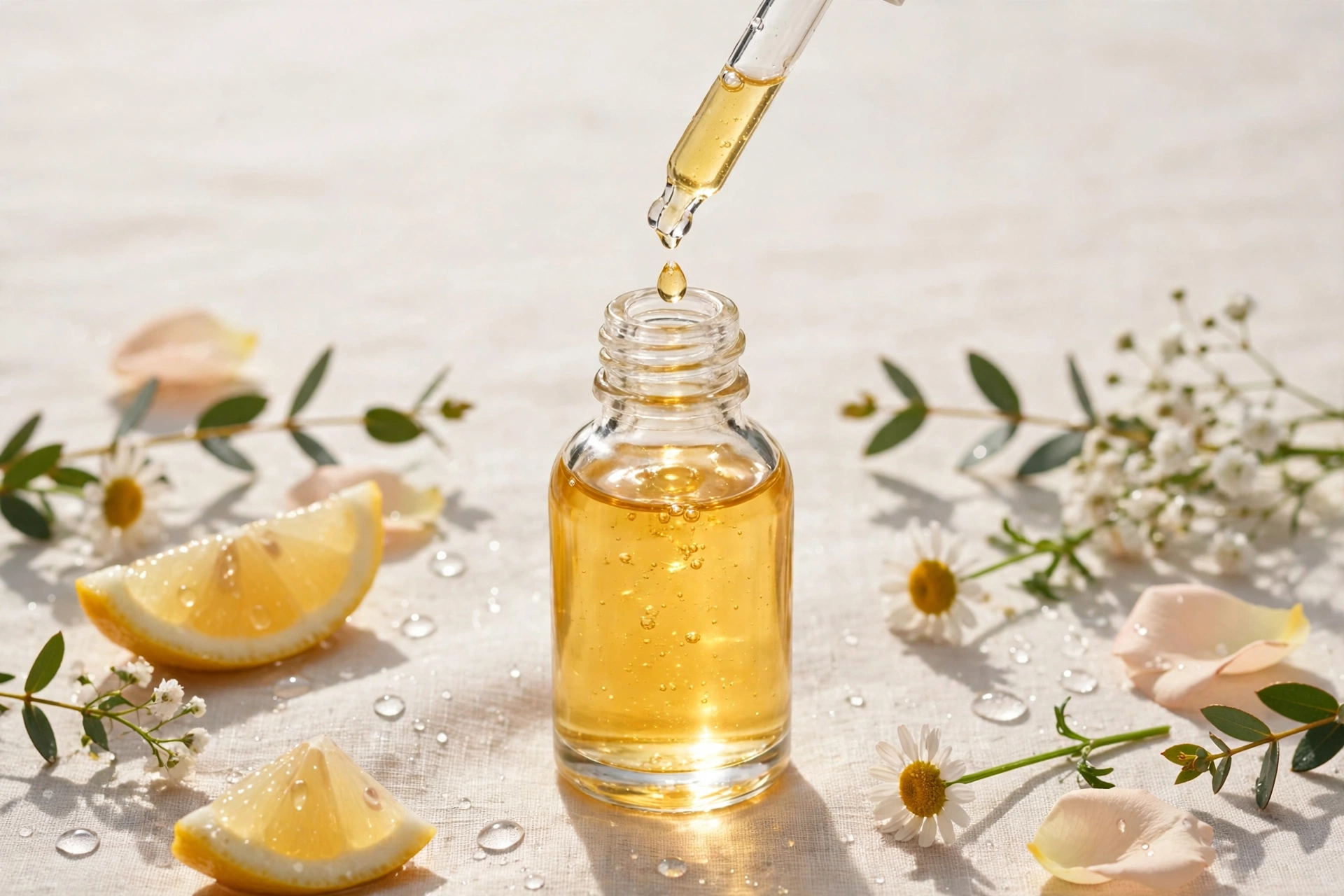
There is no instant fix for skin, but skin can look better in a few hours. What works on that timescale is simple: a gentle cleanse, a humectant on damp skin, a plain moisturiser, and a smooth surface that reflects light evenly. A sheet mask can add temporary hydration. Makeup on top of hydrated skin looks better than makeup on dry skin. What does not work in hours: brightening, firming, fading spots, or changing skin texture — those take weeks, and no product does them overnight. Do not try anything new on the day of an event. This guide is general information, not medical advice.
Contents: What glow is · What can change in hours · What cannot change in hours · The pre-event routine · By skin type · Home remedies, honestly · Food, water and sleep, honestly · Makeup prep · Mistakes · During and after the event · When to get help · Patch test · FAQ
What glow is
Glow is not a thing in the skin. It is how light reflects off the surface. Hydrated, smooth skin reflects light evenly and looks bright. Dry, flaky or rough skin scatters light and looks dull. That is the whole mechanism, and it is why the honest pre-event routine is about hydration and smoothness, not about special ingredients.
What can change in hours
- Hydration. A humectant on damp skin, sealed in with moisturiser, makes the surface look softer and more even within hours. Dehydration lines look less visible when the skin is hydrated.
- Smoothness. Gentle exfoliation a day or two before the event removes dead surface cells, so the surface reflects light more evenly. It must be gentle — anything that irritates the skin does the opposite.
- A sheet mask. A hydrating sheet mask can make skin look plumper and more even for a few hours. The effect is temporary and washes off with the next cleanse.
- Makeup on hydrated skin. Primer, luminiser and foundation sit better on a smooth, moisturised surface. That is the biggest visible difference most people can make in an hour.
What cannot change in hours
- Brightening or fading spots. Vitamin C, niacinamide and other brightening ingredients work over weeks, not hours. No mask fades a dark spot before an event.
- Firming or lifting. No cream, massage or tool firms skin in a day. Massage, rollers and gua sha are comfort aids only — they do not drain lymph, boost circulation in a meaningful way, or lift skin.
- Texture. Real changes in texture take weeks of steady care. A smoother surface from exfoliation is not the same as changed skin.
- Pores. Pores have no muscles and cannot open or close. A cold compress does not tighten pores; it can reduce the look of puffiness temporarily by cooling the skin.
- Anything a product promises “instantly”. Instant results are a marketing claim, not a skin fact. If a product promises a visible change in hours, it is describing hydration and light, not a change in the skin.
The pre-event routine
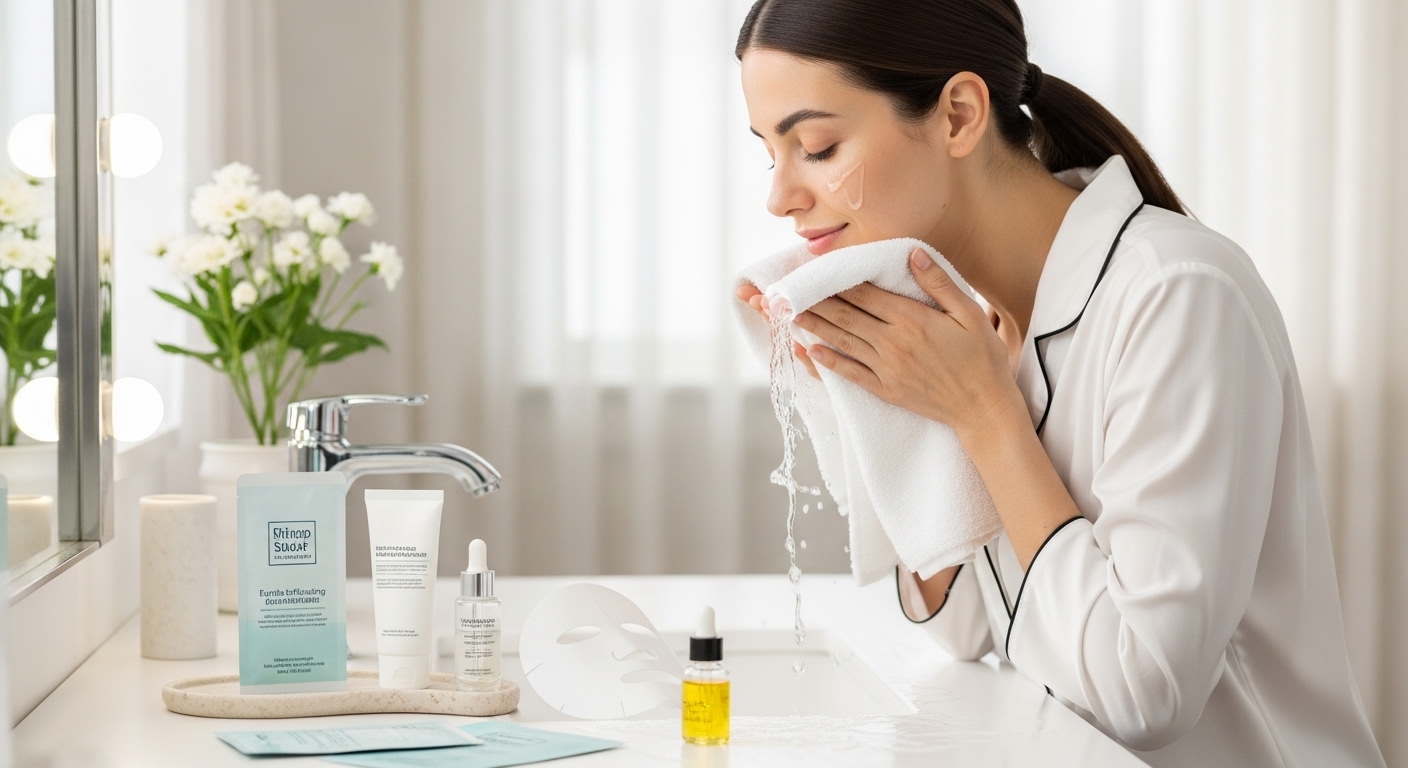
Do this 1–3 hours before the event, with products you already use. Do not try anything new on the day of an event.
- Cleanse gently. Lukewarm water and a mild cleanser. Pat dry with a soft towel.
- Hydrate on damp skin. A glycerin or hyaluronic acid serum while the skin is still slightly damp. Pat it on, do not rub hard.
- Sheet mask (optional). A plain hydrating sheet mask for 10–15 minutes. Skip it if your skin is sensitive or if you have never used that mask before.
- Moisturiser. A light moisturiser or gel-cream to seal the hydration in. A thin layer of a light facial oil or a luminising moisturiser can add a dewy finish — it sits on the surface and reflects light, which is the point.
- Sunscreen if the event is outdoors. Broad-spectrum SPF 30 or higher, applied before makeup, reapplied every two hours when outdoors. Sun is the one thing that can make skin look worse by the end of the day.
The day before: if you exfoliate, do it the day before, not the day of the event. A mild chemical exfoliant or enzyme mask, once, then moisturise well. Stop if the skin stings, flakes or looks red.
By skin type
- Dry skin. Hydration is the priority. Humectants, a richer moisturiser, and an occlusive step on dry patches. Avoid mattifying or oil-control products before an event — they take away the radiance that makes skin look glowing.
- Oily or combination skin. Light, gel or lotion textures, labelled non-comedogenic. Use richer products only on the drier areas. A clay mask on the T-zone a day before the event can reduce shine, but do not use one on the day — it can leave skin tight and dull.
- Sensitive skin. Keep it simplest of all: gentle cleanse, hydrating step, moisturiser, sunscreen if outdoors. Fragrance-free products with short ingredient lists. Patch test any new product several days before the event — never on the day. Skip strong exfoliation, new actives and unfamiliar masks entirely.
Home remedies, honestly
- Aloe vera gel. Cools, soothes and hydrates lightly. Good on sensitive or tired skin. Limited evidence for calming redness; choose fragrance-free and alcohol-free.
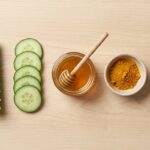
- Honey mask. A humectant that can feel soothing. There is no good evidence it changes the skin. Patch test first.
- Oatmeal mask. Calms and moisturises mildly. Colloidal oatmeal is listed by the US FDA as a skin protectant. A comfort step, not a treatment.
- Avocado or yogurt mask. Contain fats and vitamins and can feel nourishing. A pleasant short-term step, not a treatment, and they do not feed the skin from the outside.
- Cold compress or green tea bags. Cooling the skin can reduce the look of under-eye puffiness temporarily. It does not tighten pores — pores cannot open or close.
Home remedies are a complement to a short routine, not a replacement for it.
Food, water and sleep, honestly
- Food. Eating hydrating foods such as cucumber, watermelon or oranges does not plump the skin from the inside. A balanced diet supports general health, but no food makes skin glow in hours, and no food needs to be added or avoided because of an event.
- Water. Drinking water is good for your general health, but it does not directly hydrate skin or make skin cells moist. Topical moisture — humectants on damp skin, sealed in with moisturiser — is what hydrates skin.
- Sleep and stress. A good night’s sleep helps you look rested, and a short nap can make tired eyes look less puffy. Sleep does not brighten skin or change its texture, and no breathing exercise or facial yoga changes circulation to the skin in a meaningful way. Keep the evening before the event calm, but do not expect rest alone to create a glow.
Makeup prep
Makeup is where most of the visible difference comes from, and it works best on hydrated skin:
- Primer. A hydrating primer, or a small amount of luminiser mixed into moisturiser, gives a smooth, reflective base.
- Foundation. Apply over even-textured, moisturised skin. A dewy finish comes from the skin underneath being hydrated, not from the foundation itself.
- Colour correctors. Can even out dullness or uneven tone for the day. They cover, they do not change the skin.
- Setting spray or mist. A light mist can refresh the finish during the event. It does not add hydration to the skin.
Makeup is not a skin treatment. It is a surface finish, and it works best when the surface underneath is smooth and hydrated.
Common mistakes that reduce glow
- Trying a new product on the day. New products can irritate, and irritation shows. Use only products your skin already knows.
- Strong exfoliation before the event. Scrubs, strong acids and peels the day of an event can leave skin red, flaky or stinging.
- Replacing hydration with a quick fix. A “glow” product on dry skin looks worse than a plain moisturiser on hydrated skin.
- Skipping moisturiser because the skin feels oily. Dehydrated skin can feel tight and look shiny at the same time. Moisturiser is what keeps water in.
- Skipping sunscreen at a daytime event. Sun dries the surface and damages the barrier, which is the opposite of glow.
- Over-exfoliating to “prepare” the skin. More exfoliation does not mean more glow. It usually means a damaged barrier and redness.
During and after the event
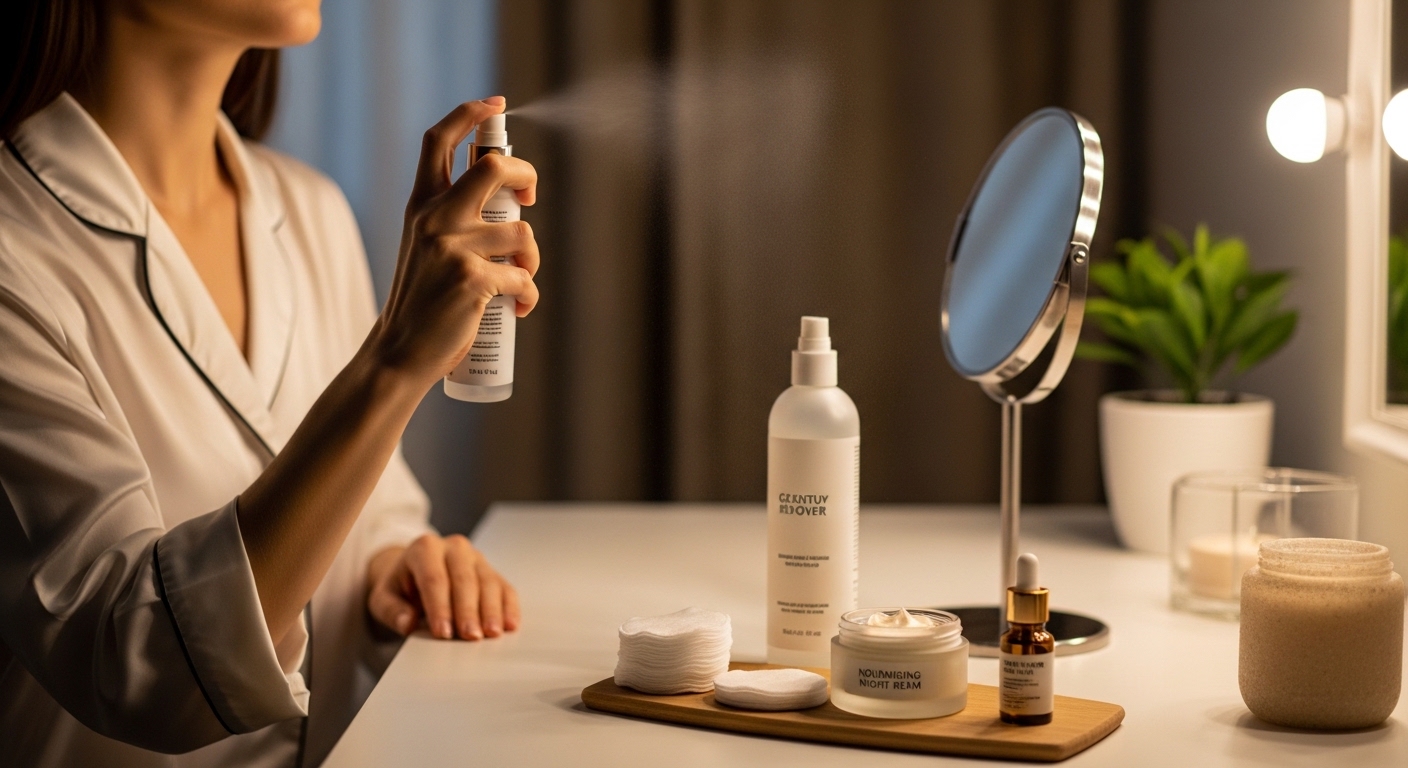
- During: a light facial mist can refresh the finish. Do not pile on more product.
- After: remove makeup gently with a mild cleanser or a gentle remover. Do not scrub. Follow with moisturiser.
- The next day: go back to the normal short routine. Do not add a new treatment to “recover” — the skin needs rest, not more products.
Professional help
Facials, lasers and light treatments are sometimes offered as pre-event preparation. A hydrating facial can make skin look better for a day, but it is not a treatment for the skin itself, and “oxygen” facials have no good evidence behind them. Laser and light treatments are medical procedures with real risks — they need weeks of recovery, not hours, and they are not a pre-event step. Discuss any procedure with a dermatologist well before the event, and be wary of anyone who promises a specific outcome by a date.
Patch test
Test any new product before using it on your face — and never for the first time on the day of an event. The American Academy of Dermatology recommends testing a new product before using it on your face: apply a small amount to a quarter-sized patch of skin on the inside of your arm or the bend of your elbow, twice a day for 7 to 10 days. If there is redness, itching or swelling, do not use it on your face. A 24-hour test can miss an allergic reaction, which often takes several days to appear — that is why this guide uses the AAD 7–10 day patch-test method. For an event, patch test several days before, so you have time to react.
When to get help
Ask a dermatologist or pharmacist if: your skin is persistently red, sore, swollen or blistering; you have a rash that does not settle; you have a skin condition such as eczema, rosacea or acne that is getting worse; or you are unsure whether a product is safe for you. Bring the products you use, or photos of their ingredient lists.
Frequently asked questions
Q1: How can I get an instant glow before an event?
Gentle cleansing, a humectant on damp skin, a plain moisturiser, and optionally a hydrating sheet mask 1–3 hours before the event. Makeup on hydrated skin does the rest.
Q2: Which ingredients help skin look brighter quickly?
Hyaluronic acid and glycerin — they hydrate, and hydrated skin reflects light more evenly. Vitamin C and niacinamide work over weeks, not hours.
Q3: Can home remedies help before an event?
Aloe vera, honey, oatmeal, avocado and yogurt can give soothing hydration and comfort. They are comfort steps, not treatments, and should only be used if your skin already knows them.
Q4: How long before an event should I follow the routine?
1–3 hours before the event for masks and hydration, with the hydrating steps in the morning of the event. Exfoliate the day before, not the day of.
Q5: Do lifestyle habits affect skin glow?
Sleep, hydration and nutrition support general health, but they do not change skin in hours. The visible difference before an event comes from hydration, a smooth surface, and makeup.
Summary
Glow is light reflecting off a hydrated, smooth surface — not a change in the skin. What works in hours: a gentle cleanse, a humectant on damp skin, a plain moisturiser, optionally a hydrating sheet mask, and makeup on hydrated skin. What does not work in hours: brightening, firming, fading spots, or changing texture. Massage, rollers and gua sha are comfort aids only, and pores cannot open or close. Do not try anything new on the day of an event, exfoliate the day before, and patch test new products for 7 to 10 days well ahead of time. Use SPF 30+ if the event is outdoors.
Sources: American Academy of Dermatology, 7 Rosacea skin care tips (patch-test method: apply a new product to a quarter-sized patch of skin on the inside of the arm for 7–10 days); American Academy of Dermatology, How to select anti-aging skin care products (broad-spectrum sunscreen, SPF 30 or higher, reapply every two hours outdoors). This is a researched overview, not a hands-on review.