Researched overview. This guide is based on published dermatology guidance, not on hands-on product testing by BeautyKob. No product in this guide was tested by us.
Table Of Content
Quick answer
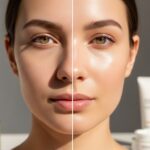
Healthy shine is not oiliness. It is smooth, hydrated skin reflecting light evenly. Oily shine comes from excess sebum and can clog pores; healthy shine comes from a smooth surface, enough water in the skin, and even tone.
The foundation is short: cleanse gently, hydrate on damp skin, use one serum, moisturise, and wear sunscreen every morning. Exfoliate gently, once a week to start. That is the whole routine — the rest of this guide explains how to adjust it, and what to stop doing.
If your skin is red, sore, flaking badly, or you have a rash or open sores, skip the actives and ask a dermatologist or pharmacist first. This guide is general information, not medical advice.
Contents: What shiny skin is · Why skin looks dull · Foundation routine · Serums · Sunscreen · Exfoliation · Night repair · By skin type · Seasons · Mistakes and troubleshooting · When to get help
What shiny skin is
- Dry skin feels tight, rough or flaky.
- Dull skin lacks smoothness or even tone, so it looks tired.
- Healthy shine is smooth texture + hydration + even light reflection.
- Oily shine is excess sebum on the surface. It is a different thing, and treating it means choosing light, non-greasy products — not stripping the skin.
You do not need to know which one you have with certainty before starting. The routine below is the same starting point for most people; the “By skin type” section adjusts it.
Why skin looks dull
The common, correctable reasons are: dead skin built up on the surface, a weakened skin barrier (often from harsh cleansers or too much exfoliation), sun and pollution exposure, and poor sleep or high stress. Any one of these can make the surface rough, so light scatters instead of reflecting evenly.
You do not need a separate product for each cause. Fix the foundation first.

Foundation routine
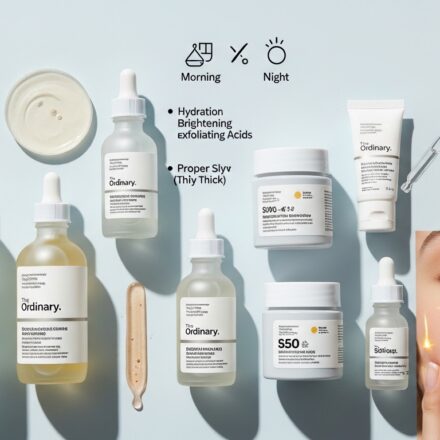
Morning
- Gentle cleanser. Lukewarm water, a mild cream or milk cleanser. No hot water, no scrubbing. Use a double cleanse only if you wear heavy makeup or water-resistant sunscreen.
- Hydrate on damp skin. Apply a hydrating toner or essence with hyaluronic acid, glycerin or panthenol while the skin is still slightly damp. Pat it in gently. Then add a serum (below), then moisturiser.
- Serum — one. Pick one for your main concern (see “Serums”). More than one new serum at a time makes it impossible to tell what helps and what irritates.
- Moisturiser. Choose by texture, not by price: a light lotion for oily skin, a cream for dry skin. A good moisturiser combines a humectant (glycerin, hyaluronic acid), an emollient (squalane, ceramides, shea butter) and, for very dry skin, an occlusive (petrolatum, dimethicone).
- Sunscreen — every morning. Broad-spectrum, SPF 30 or higher, as the last step. The American Academy of Dermatology recommends this daily, including on cloudy days, and reapplying every two hours when outdoors or after swimming or sweating. (AAD sunscreen guidance)
Night
- Gentle cleanser.
- Serum or treatment (the same one serum, or your exfoliant on its night — not both at full strength).
- Moisturiser. A slightly richer cream at night is fine. A sleeping mask or a few drops of facial oil (jojoba or squalane are light options) are optional extras, not requirements. They do not suit everyone — if a product clogs your pores, stop using it.
Serums
| Serum | What it is used for | Notes |
|---|---|---|
| Hyaluronic acid | Humectant — draws water into the skin so it looks plump and smooth | Use on damp skin, under moisturiser, or it can feel drying in a dry climate |
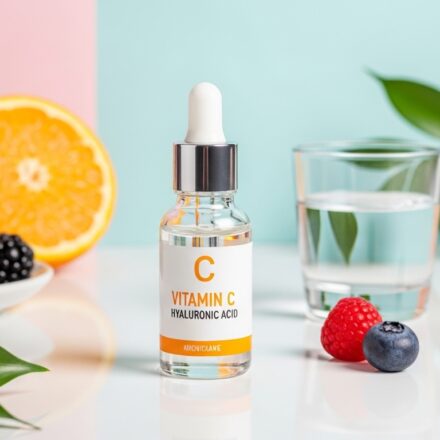
| Vitamin C | Antioxidant; vitamin C is a cofactor for collagen synthesis in the body and can help the look of uneven tone over time | Morning is a common choice; start with a lower strength if sensitive; store away from light and heat, and replace if it turns dark brown |
| Niacinamide | Supports the skin barrier; can help the look of redness and uneven texture | Usually well tolerated; a good first serum for sensitive skin |
Do not use vitamin C, a strong acid and a retinoid all in the same routine on the same day when you are starting out.
Sunscreen
Sun protection matters because UV damage breaks down the smooth surface that reflects light, adds uneven tone, and increases skin-cancer risk. “Broad Spectrum” on a US sunscreen label means the product passed an FDA test for UVA as well as UVB protection; SPF alone only measures UVB. (FDA labelling summary)
Choose a gel-cream or lotion with moisturising ingredients if your skin is dry. Reapply as above. Sunscreen does not replace shade or protective clothing.
Exfoliation — gentle, and not daily
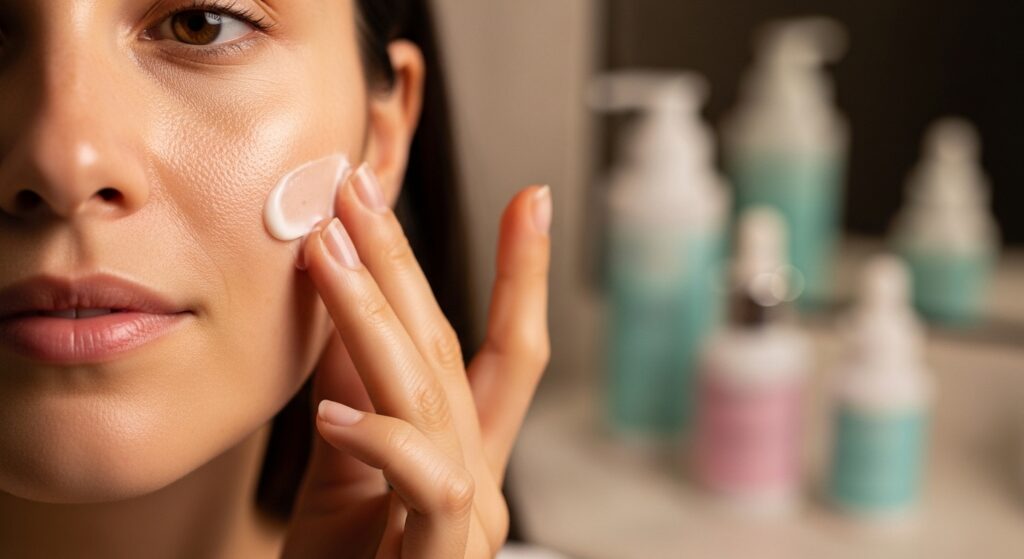
Exfoliation removes dead skin from the surface so light reflects more evenly. Chemical exfoliants (for example lactic acid, a gentle AHA) usually give a more even result than harsh physical scrubs. The AAD’s guidance is to choose a method that suits your skin and to exfoliate gently. (AAD, How to safely exfoliate at home)
- Start once a week.
- Increase only if your skin stays comfortable.
- Stop, and go back to cleanser, moisturiser and sunscreen, if you get redness, stinging, flaking or tightness.
- Do not exfoliate on broken or sunburnt skin.
By skin type
- Dry skin: richer moisturiser, less exfoliation, avoid foaming cleansers that leave skin tight.
- Oily skin: light, non-greasy lotion or gel; you still need moisturiser and sunscreen.
- Sensitive skin: fragrance-free, one active at a time, patch test new products on the inside of your arm or behind your ear first.
Seasons
- Winter: cold air and indoor heating dry the skin. Use a richer moisturiser, add facial oil at night if it suits you, and exfoliate less often.
- Summer: humidity can help hydration, but sun exposure is stronger. Keep hydration light and be strict about sunscreen and reapplication.
Lifestyle — one short section, not three
Sleep, food and stress do not replace skincare, but they affect how skin looks. Aim for regular sleep, a varied diet with fruit, vegetables and healthy fats, and enough water. No food or drink can be promised to make skin shiny, and no single nutrient fixes dullness on its own. If your skin is always tight despite good topical care, talk to a pharmacist or dermatologist rather than adding more products.

Facial massage and tools such as gua sha are optional. There is no reliable evidence they change skin long-term. If you enjoy gentle massage, keep it light and stop if it irritates your skin.
Mistakes and troubleshooting
| Problem | Likely cause | Try this |
|---|---|---|
| Skin feels tight after washing | Cleanser too strong, or water too hot | Milder cleanser, lukewarm water |
| Red, stinging or flaking | Too much exfoliation, or too many actives at once | Stop actives; cleanser, moisturiser and sunscreen only for 1–2 weeks |
| Makeup looks patchy | Rough, dehydrated surface | Hydrate on damp skin; check moisturiser is enough before makeup |
| No change after weeks | Routine keeps changing, or sunscreen is skipped | Keep the same routine for 3–4 weeks; check sunscreen use |
| Breakouts after a new oil or heavy cream | Product too heavy for your skin | Stop the new product; use a lighter moisturiser |
When to simplify again: if irritation appears, drop back to cleanser, moisturiser and sunscreen for two weeks, then add back one product at a time.
When to get help
See a dermatologist if dullness comes with a persistent rash, pain, swelling, blistering, or a skin condition that is getting worse. Ask a qualified professional before any in-clinic treatment such as a chemical peel or hydrating facial — these are not a substitute for daily care, and at-home peels can injure the skin.
Pregnancy: avoid retinoids — topical retinoids are not suitable during pregnancy, according to NHS guidance. (NHS 111 Wales, Acne) Ask a healthcare professional before starting any new active if you are pregnant or breastfeeding.
Summary
Shiny skin is smooth, hydrated skin. Cleanse gently, hydrate on damp skin, use one serum, moisturise, and wear broad-spectrum SPF 30+ every morning. Exfoliate once a week to start. Keep the routine steady for a few weeks before judging it.
Sources: AAD sunscreen and exfoliation guidance; AAD vitamin C cosmeceutical review; NHS guidance on topical retinoids in pregnancy; FDA sunscreen labelling summary. This is a researched overview, not a hands-on review.