Researched overview. This guide is based on published dermatology guidance and the product’s drug label, not on hands-on product testing by BeautyKob. No product in this guide was tested by us.
Table Of Content
Quick answer
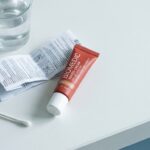
EradiKate, by Kate Somerville, is a pink spot treatment whose active ingredient is sulfur 10% — the highest sulfur level allowed in an over-the-counter acne product. It also contains salicylic acid, zinc oxide and camphor in an alcohol base. It is made for individual pimples, applied with a cotton swab, and left on overnight.
Sulfur dries the surface of a pimple and helps shed dead skin, and it has antibacterial properties. That can help a surface pimple look smaller and less red. It is not a treatment for deep cystic acne: a painful lump under the skin has no opening for a spot treatment to drain, and no over-the-counter spot treatment can reach it.
If your breakouts are deep, painful, or leaving scars, a spot treatment is the wrong tool on its own. See a dermatologist. If your skin is very sensitive, or you are sensitive to sulfur, do not use this product.
If your skin is red, sore, or has open sores or a rash, ask a dermatologist or pharmacist before using any acne treatment. This guide is general information, not medical advice.
Contents: What is in it · What sulfur does · What it cannot do · Cystic acne · How to use it · Who should be careful · Sunscreen · Other acne actives · When to see a dermatologist · FAQ
What is in it
The drug label for EradiKate lists one active ingredient: sulfur 10%. The other ingredients are isopropyl alcohol, water, zinc oxide, sulfur, camphor, magnesium aluminum silicate, salicylic acid and iron oxides (which give it the pink colour). (DailyMed, EradiKate drug label)
Sulfur is a recognised over-the-counter acne active under the FDA acne monograph, and 10% is the highest sulfur level permitted for acne treatment. The brand states this is the highest level of sulfur permitted for acne treatment. (Kate Somerville, how sulfur helps acne)
What sulfur does
Sulfur works in two ways. It is a keratolytic: it dries the top layer of skin and helps dead skin cells shed, which keeps pores from staying blocked. It also has antibacterial properties, which help against the bacteria involved in acne. The brand’s own description says the same: sulfur “removes the top layer of skin by drying it out and allowing it to easily peel off” and “has antibacterial properties”. (Kate Somerville, how sulfur helps acne)
Salicylic acid, also in the formula, is a beta-hydroxy acid that can get into oily pores and loosen built-up dead skin. Zinc oxide absorbs oil on the surface. Neither of these turns a spot treatment into a treatment for deep acne.
A note on the brand’s speed claims: the brand says 94% of people in its study showed visible improvement of breakouts in one hour, and 97% showed less redness after two days. That study had 32 people and was run by the brand. It is a brand claim, not independent evidence, and a 32-person study cannot prove how fast the product works for everyone. There is no strong independent evidence that any sulfur spot treatment clears a pimple in an hour. (Kate Somerville, EradiKate product page)
What it cannot do
- It cannot clear deep cystic acne. A cyst is a painful lump that forms deep in the skin, under a closed surface. A spot treatment sits on top of the skin; it cannot drain or dissolve a lump that has no opening.
- It cannot prevent acne on its own. It is a spot treatment for pimples you can already see. It is not a full-face preventative treatment.
- It cannot work in a day or two as a rule. The AAD advises giving an acne treatment 6 to 8 weeks before judging it, and says complete clearing generally takes 3 to 4 months. A spot treatment may make one pimple look smaller overnight, but that is not the same as treating acne. (AAD acne timeline summary)
- It cannot be used daily without risk. The brand itself warns that using high-strength sulfur products daily can cause irritation and possibly make acne worse. This is a spot treatment, not a daily all-over product.
Cystic acne — what it is and why it is different
Cystic acne is the most severe form of acne. It forms when oil and dead skin block a pore deep under the surface, bacteria grow in the trapped oil, and the immune system responds with inflammation. The result is a large, red, painful lump that can last for weeks and can leave a scar.
Because the lump is deep and closed, surface treatments cannot reach it. Squeezing it is the worst thing you can do: it can push the contents deeper, increase inflammation, and raise the chance of scarring and infection.
What can help while you wait for a dermatologist appointment:
- Leave it alone. Do not squeeze, pick or press it.
- A warm compress. The AAD suggests a warm, damp washcloth for 10 to 15 minutes, a few times a day, which can help a deep pimple come to the surface, where creams can work better.
- A simple routine. Gentle cleanser, light moisturiser, sunscreen. Do not pile strong actives on top of an inflamed cyst — that usually adds irritation, not healing.
- Do not cover it with a patch and expect it to drain. Hydrocolloid patches work on pimples that have already opened. A closed cyst has no opening for fluid to leave through.
How to use it
Patch test first: Apply a small amount to a quarter-sized spot on the underside of your arm or the bend of your elbow, twice a day for 7 to 10 days. The AAD recommends this length because allergic reactions can take several days to appear, and a 24-hour test can miss them. If the spot becomes red, itchy, swollen or blistered, stop and do not use the product on your face.
Application (manufacturer’s directions):
- Cleanse gently in the evening and pat your skin dry.
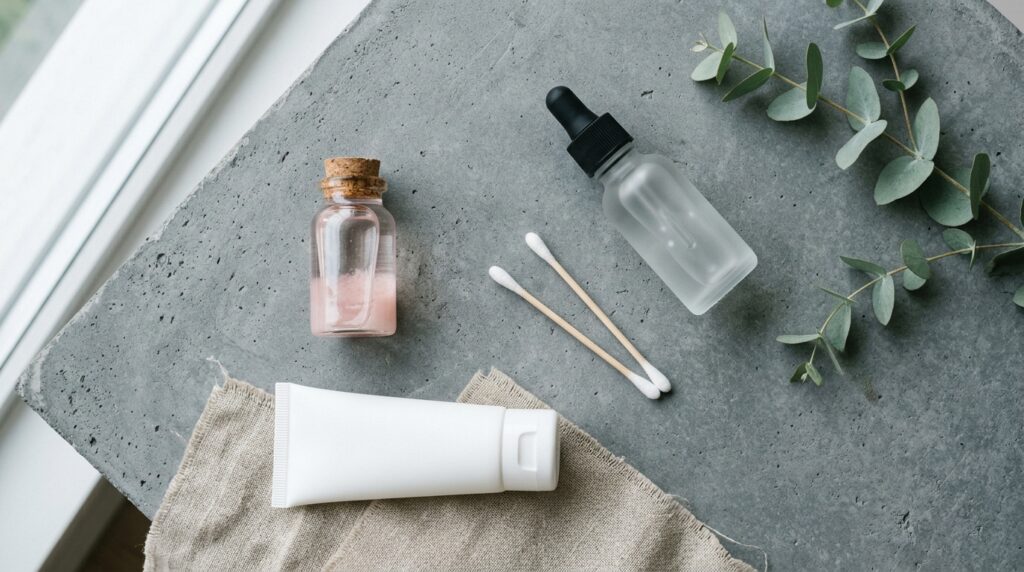
- Do not shake the bottle. The pink sediment settles at the bottom. Dip a clean cotton swab straight to the bottom so you pick up the pink sediment.
- Dot it on the pimple only. Apply the pink sediment to the affected area, not to large areas of healthy skin.
- Leave it on overnight and wash it off in the morning.
- Moisturise and use sunscreen in the morning. Use a light, non-comedogenic moisturiser and broad-spectrum SPF 30 or higher.
Use it on individual pimples, not as an all-over face treatment. If your skin becomes dry, red or flaky, use it less often. If irritation continues, stop and go back to cleanser, moisturiser and sunscreen.
Flammable: the product contains isopropyl alcohol and is flammable. Keep it away from open flames and heat, and do not use it near a flame.
Who should be careful
Do not use this product if you have very sensitive skin or are sensitive to sulfur — that is the manufacturer’s own warning. Be careful, and consider asking a pharmacist first, if you have:
- Dry or easily irritated skin. Sulfur dries the skin, and a 10% formula is the strongest available.
- Eczema, rosacea, or broken or sunburnt skin. Do not apply it to broken or irritated skin.
- A sulfur allergy. If you have reacted to sulfur or sulfa drugs before, ask a doctor before using a sulfur product.
If you are pregnant or breastfeeding, ask your doctor before starting any new acne treatment.
Stop and ask a doctor if: you get severe redness, swelling, blistering, or a spreading rash; your skin becomes very painful; or you have trouble breathing or swelling of the face or lips after using it. These are rare, but they are reasons to stop and get medical help.
Sunscreen
Sun protection matters while you treat acne, because treated and inflamed skin can be more sensitive to sun, and sun exposure can make the dark marks acne leaves behind darker. Use a broad-spectrum sunscreen with SPF 30 or higher every morning as the last step, and reapply every two hours when outdoors, or after swimming or sweating. (AAD sunscreen guidance)
Other acne actives — a short comparison
No single over-the-counter active suits everyone. This is what each one is generally used for:
| Active | What it is used for | Notes |
|---|---|---|
| Sulfur (this product, 10%) | Spot-treating individual pimples; dries and sheds the surface | Strongest OTC sulfur level; drying and can irritate; not for deep cysts |
| Benzoyl peroxide (2.5–10%) | Kills acne bacteria; helps unclog pores | AAD strongly recommends it; lower strengths work about as well as higher ones for many people, with less irritation; bleaches fabric |
| Salicylic acid (0.5–2%) | Unclogs pores; helps blackheads and whiteheads | A preventative, full-face treatment; not strong enough on its own for deep cysts |
| Adapalene 0.1% (Differin) | A retinoid that normalises how skin cells shed, preventing clogged pores | Available over the counter in the US since 2016, for ages 12 and up; the label says it may take up to 3 months of once-daily use to see results; can cause dryness and sun sensitivity at first |
Do not use several strong actives at once. Pick one, use it as directed for 6 to 8 weeks, and only then decide whether to change anything.
Diet, sleep and stress — what is actually known
Some studies have linked high-glycemic foods — sugary drinks, white bread, processed snacks — with worse acne, and a low-glycemic diet with improvement in some people. The evidence is limited and mixed, and no food has been shown to cause or cure acne on its own. The link between dairy and acne is also uncertain, and varies from person to person. Sleep and stress affect general health, but there is no reliable evidence that a specific number of hours of sleep, a specific food, or a supplement will clear acne. Do not take supplements for acne without asking a doctor first.
When to see a dermatologist
See a dermatologist if: your acne does not improve after 8 weeks of consistent over-the-counter care; your breakouts are deep, painful or cystic; your acne is leaving scars; or your acne is affecting your mood or confidence. A dermatologist can check whether what you have is acne at all, and can discuss prescription options — such as a stronger retinoid, an antibiotic, a hormonal treatment for some women, or other prescription medicines — that are not available over the counter. For a single very large, painful cyst, a dermatologist can also discuss an injection into the cyst. These are medical decisions for a doctor, not for a skincare article.
FAQ
Can EradiKate clear cystic acne?
No. It is a spot treatment for surface pimples. Deep, painful lumps under the skin need a dermatologist, not a stronger spot treatment.
How fast does it work?
The brand cites a small 32-person study for its “1 hour” claim. Independent evidence for sulfur spot treatments is limited. Judge any acne treatment over 6 to 8 weeks, not hours.
Can I use it every day?
It is meant for individual pimples, not daily all-over use. The brand warns that daily use of high-strength sulfur can irritate skin and make acne worse. Use it on spots only, and less often if your skin gets dry or red.
Can I use it with benzoyl peroxide or a retinoid?
Not at the same time on the same spot when you are starting out. Combining strong actives increases irritation. If you want to use more than one, ask a dermatologist how to space them out.
Is it safe if I am sensitive to sulfur?
No — do not use it if you are sensitive to sulfur or have very sensitive skin. That is the manufacturer’s warning.
Summary
EradiKate is a 10% sulfur spot treatment for individual pimples. Sulfur dries the surface and helps shed dead skin, but it cannot reach or clear deep cystic acne, and it is not a daily all-over treatment. Patch test for 7 to 10 days, dot it on pimples only with a cotton swab, leave it on overnight, and wear sunscreen every morning. Do not use it if you have very sensitive skin or a sulfur sensitivity. If breakouts are deep, painful or scarring, or do not improve after 8 weeks, see a dermatologist.
Sources: DailyMed EradiKate drug label (sulfur 10%); Kate Somerville product page and sulfur guide; AAD acne guidance; AAD sunscreen guidance; FDA approval letter for Differin Gel (adapalene) 0.1% over-the-counter use, 2016. This is a researched overview, not a hands-on review.