Researched overview. This guide is based on published dermatology guidance, not on hands-on product testing by BeautyKob. No product in this guide was tested by us.
Table Of Content
- Quick answer
- What acne mechanica is
- How it differs from other acne
- Who tends to get it, and where
- Step 1: Reduce the friction first
- Step 2: Cleanse gently, after sweating
- Step 3: Targeted treatments — one at a time
- A sample daily routine
- Equipment and clothing — a checklist
- Lifestyle — what actually helps
- Mistakes that slow recovery
- When to see a dermatologist
- FAQ
- Summary
Quick answer
If breakouts appear in exactly the same pattern as a helmet strap, backpack strap, face mask or tight clothing, it may not be ordinary acne. Acne mechanica is acne caused by repeated friction, pressure, heat and trapped sweat. Treating it like ordinary acne often does not work, because the cause is physical: the fix has to reduce the rubbing as well as treat the skin.
The approach is: reduce the friction first, cleanse gently after sweating, use one acne treatment at a time, and do not scrub or pick. If breakouts are deep and painful, leave scars, spread beyond the contact area, or do not improve after about six to eight weeks, see a dermatologist.
This guide is general information, not medical advice.
Contents: What acne mechanica is · How it differs from other acne · Who gets it · Step 1: reduce the friction · Step 2: cleanse gently · Step 3: targeted treatments · A sample routine · Equipment and clothing · Lifestyle · Mistakes · When to see a dermatologist · FAQ
What acne mechanica is
Acne mechanica is acne caused by sports clothing or equipment trapping heat and sweat against the skin while repeatedly rubbing it, in the American Academy of Dermatology’s description. (AAD, Is sports equipment causing your acne?) The same thing happens with everyday items: a face mask, a backpack strap, a bra strap, a hat, or tight synthetic clothing.
Four things act together: friction (rubbing), pressure (something pressing on one spot), heat, and occlusion (skin covered so sweat and warmth are trapped). The rubbing irritates the hair follicles and disturbs the skin barrier; trapped heat and sweat create a warm, damp environment where pores clog more easily. The result is usually small, rough-feeling bumps at first, which can become red pimples and, if the rubbing continues, deeper painful spots.
The giveaway is the pattern: the breakouts follow the shape of whatever caused the friction — a line under a chin strap, the edge of a mask, a band across the shoulders. Breakouts that appear only where something touches the skin are unlikely to be hormonal.
How it differs from other acne
| Acne mechanica | Hormonal acne | Ordinary acne (acne vulgaris) | |
|---|---|---|---|
| Main trigger | Friction, pressure, heat, trapped sweat | Hormonal changes | Excess oil, clogged pores, bacteria, inflammation |
| Where it appears | Exactly where something rubs or presses | Often chin, jawline and forehead | Face, chest, shoulders, back |
| What helps most | Reducing the friction, plus gentle acne care | Treatments that address the hormonal cause, decided with a doctor | Standard acne treatments, used consistently |
| Key point | Treating the skin alone rarely works if the rubbing continues | Does not follow a contact pattern | Can occur with or without friction |
These are general patterns, not a diagnosis. More than one type of acne can be present at the same time, and a rash under a mask or strap is not always acne — it can also be irritation or an allergic reaction. If you are unsure what you have, ask a dermatologist or pharmacist.
Who tends to get it, and where
- Athletes — helmets, chin straps, shoulder pads and tight synthetic sportswear; breakouts on the forehead, jawline, shoulders and back.
- People who wear masks for long periods — healthcare workers and students; breakouts along the jawline, cheeks and nose bridge.
- Backpack and bag users — straps across the upper back and shoulders.
- Anyone in hot or humid conditions — more sweat trapped under clothing or equipment makes friction worse.
- People who already have acne-prone skin — their pores are more likely to already be partly blocked, so friction tips them over sooner.
Step 1: Reduce the friction first
Topical treatment alone rarely resolves acne mechanica if the friction source stays unchanged. Do this first:
- Check the fit. Equipment that is too tight or too loose both rub more. Get a proper fitting — and do not loosen or remove safety equipment to help your skin; ask for fitting advice instead.
- Add a soft layer. A clean, moisture-wicking layer under equipment, or foam or silicone padding on a strap or helmet edge, spreads pressure and reduces direct rubbing.
- Choose breathable fabrics. Moisture-wicking, breathable fabrics instead of heavy cotton reduce heat and sweat buildup in contact areas.
- Keep gear clean. Wash helmets liners, straps and reusable masks regularly, and clean equipment according to the manufacturer’s instructions, so oil and bacteria do not build up and re-contact the skin.
- Get out of sweaty clothes promptly. Change out of damp kit after activity rather than sitting in it.
Step 2: Cleanse gently, after sweating
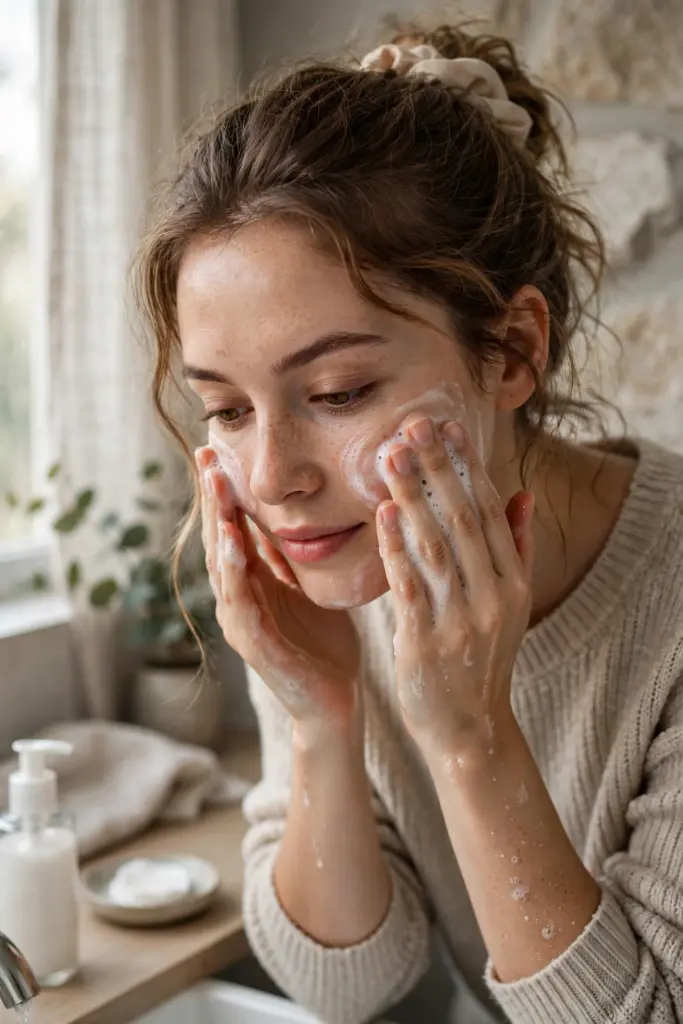
- Wash the affected area after heavy sweating, and shower and change into clean clothes after exercise. The AAD’s general acne guidance includes washing after heavy sweating, and Cleveland Clinic advises showering and changing after exercise. (Cleveland Clinic, Back acne)
- Use a gentle, fragrance-free cleanser. Do not scrub — scrubbing adds more friction to skin that is already irritated, and the AAD notes that scrubbing can make acne worse. Blot sweat with a clean towel rather than rubbing it away.
- Wash only as often as needed: over-washing strips the barrier and can make things worse.
Step 3: Targeted treatments — one at a time
Use standard over-the-counter acne treatments, following the product label. Introduce one at a time so you know what helps and what irritates.
Patch test first: apply a small amount of any new product to a quarter-sized patch of skin on the inside of your arm or the bend of your elbow, twice a day for 7 to 10 days. The AAD recommends this length because allergic reactions can take several days to appear, and a 24-hour test can miss them. If the spot becomes red, itchy, swollen or blistered, stop and do not use the product on your face.
| Treatment | What it does | Notes |
|---|---|---|
| Salicylic acid (products commonly list 0.5–2%) | Helps clear clogged pores | The AAD notes salicylic acid works well for acne caused by friction. A cleanser or body wash containing it, used daily, is a reasonable start. |
| Benzoyl peroxide (products commonly list 2.5–5%) | Reduces the bacteria involved in acne | Cleveland Clinic lists benzoyl peroxide products among the treatments for back acne. If you use a benzoyl peroxide cleanser, leave it on for up to a few minutes before rinsing, as the label directs. It can bleach fabric, so use white towels and pillowcases. |
| Niacinamide | Supports the skin barrier | Usually well tolerated. It is a supporting ingredient, not a primary acne treatment. |
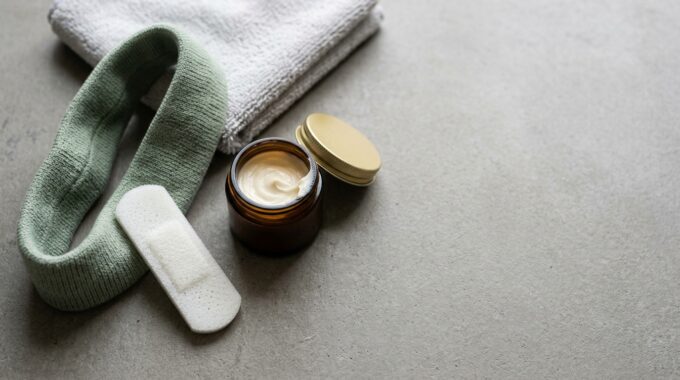
| Barrier products (silicone-based cream, zinc oxide, or medical tape) | Reduce direct friction between skin and equipment | Best used before the friction happens, on clean skin, rather than after breakouts appear. |
Do not layer everything at once. Combining a strong acid, benzoyl peroxide and a retinoid in the same session is a common cause of irritation, and irritated skin heals more slowly. Rotate actives across different days, or use them at different times of day. If irritation appears, stop the newest product first and go back to a gentle cleanser and moisturiser until the skin settles.
Prescription options exist for acne that does not respond to shop-bought care — for example topical retinoids, topical antibiotics (usually prescribed alongside benzoyl peroxide), and in more severe cases oral
medication. Which one, and at what strength, is a dermatologist’s decision based on your skin and health history, not something to choose from general guidance.
A sample daily routine
Morning: gentle cleanser; a salicylic acid product on friction-prone areas only; a light, non-comedogenic moisturiser; broad-spectrum sunscreen SPF 30 or higher; then a barrier cream or padding on contact points just before putting on equipment or a mask.
Evening: gentle cleanse to remove sunscreen and the day’s buildup; an acne treatment on the affected areas (for example benzoyl peroxide as a spot treatment for active blemishes); a ceramide-based moisturiser to support the barrier. Use a retinoid, if you use one, on nights separate from benzoyl peroxide.
Weekly: a gentle chemical exfoliation on friction-prone areas can help clear dead skin buildup — avoid it on broken or inflamed skin. A soothing, hydrating mask (for example with hyaluronic acid or aloe) once a week is an optional extra.
Equipment and clothing — a checklist
- Moisture-wicking, breathable fabrics instead of cotton in contact areas.
- Properly fitted equipment — reduces unnecessary pressure without compromising safety.
- Foam or silicone padding on helmets or straps to spread pressure evenly.
- Breathable liners under helmets, washed regularly.
- Foam or medical tape on hard equipment edges to remove direct contact at pressure points.
- Regular equipment cleaning, per the manufacturer’s instructions.
Lifestyle — what actually helps
- Sleep and stress: poor sleep and ongoing stress can make skin slower to repair. They will not cure acne mechanica on their own, but they remove one more factor working against treatment.
- Clean linens: use clean towels, sheets and pillowcases so bacteria do not build up — Cleveland Clinic advises washing sheets and towels at least once a week.
- Diet: no specific food has been shown to cause or cure acne mechanica. A varied diet is good general advice, but this guide makes no diet claim for this condition.
- Do not pick or squeeze. Picking pushes bacteria deeper, increases swelling, and raises the risk of marks and scarring on any skin tone.
Mistakes that slow recovery
- Over-cleansing friction zones or scrubbing them harshly.
- Layering too many actives at once.
- Picking or squeezing breakouts.
- Not addressing the friction source — topical treatment alone rarely produces lasting improvement if the equipment or clothing stays unchanged.
- Switching products too frequently — most treatments need several weeks of consistent use before their effect becomes apparent.
When to see a dermatologist
See a dermatologist if: breakouts are deep, painful cysts rather than surface spots; there is scarring or persistent dark marks from past breakouts; breakouts spread beyond the original friction zone even after equipment changes; skin is becoming increasingly reactive to topical treatments; or there is no improvement after about six to eight weeks of consistent care and friction reduction. A dermatologist can usually tell what it is from looking at the pattern and asking about your routine, and can prescribe stronger treatment if needed.
FAQ
Is acne mechanica the same as regular acne?
No. It is triggered by physical friction, pressure and heat rather than mainly by hormones. It appears specifically at contact points and improves when the friction is reduced, which standard hormonal acne treatment does not address.
How long does it take to clear up?
It varies. Mild cases often improve within a few weeks once the friction source is reduced and a simple routine is followed. More involved cases take longer, and severe cystic cases may need prescription treatment. There is no fixed date by which any case will clear.
Can I keep playing sports while treating it?
Usually yes. A barrier product before equipment contact, cleansing after activity, and cleaning equipment regularly are the three adjustments that make continued activity compatible with healing. Stopping the activity entirely is not usually necessary.
Does acne mechanica leave scars?
It can, particularly if breakouts are picked or squeezed, or if deep cystic lesions form without treatment. Surface spots treated without picking usually resolve without scarring, though dark marks are common on any skin tone and typically fade over several weeks with consistent sunscreen use.
What is the single most effective first step?
Addressing the friction source directly — removing or padding whatever causes repeated contact — paired with gentle cleansing after exposure. Source reduction and skincare work better together than either does alone.
Summary
Acne mechanica is acne with a physical cause: friction, pressure, heat and trapped sweat. Reduce the rubbing first — fit, padding, breathable layers, clean gear — then cleanse gently after sweating and use one acne treatment at a time. Do not scrub, do not layer everything at once, and do not pick. If it does not improve after about six to eight weeks, or if it is deep, painful or scarring, see a dermatologist.
Sources: AAD, “Is sports equipment causing your acne?”; Cleveland Clinic, “Back acne”; AAD acne management guidance; AAD sunscreen guidance. This is a researched overview, not a hands-on review.