Researched overview. This guide is based on published dermatology guidance, not on hands-on product testing by BeautyKob. No product in this guide was tested by us, and no brand is recommended.
Table Of Content
- Quick answer
- How skin changes after 50
- Collagen and elastin decline
- Moisture loss and increased sensitivity
- What to expect and watch for
- A daily routine built around what actually helps
- Gentle cleansing
- Hydration as a non-negotiable step
- Daily antioxidant protection
- Sunscreen, every single day
- Ingredients worth building a routine around
- Retinoids
- Peptides
- Hyaluronic acid
- Niacinamide
- Lifestyle factors, honestly
- Diet
- Sleep
- Stress management
- Avoiding smoking and excess alcohol
- Weekly and monthly additions
- Gentle exfoliation
- Hydrating masks
- Professional treatments
- Special attention for sensitive areas
- Eyes
- Neck and décolletage
- Hands
- Common mistakes that undermine progress
- Frequently asked questions
- The bottom line
Quick answer
After 50, skin makes less collagen and elastin, less oil, and holds water less well. Fine lines deepen, skin feels drier, and it tolerates harsh products less. Nothing prevents wrinkles entirely, and nothing reverses them at home — but a small, consistent routine slows new damage and makes skin look and feel better.
What matters most, in order:
- Daily broad-spectrum SPF 30+. The single most effective step for slowing new wrinkles. In one long trial, people who used sunscreen daily had 24% less skin ageing over 4.5 years than people who used it only when they thought of it (Hughes et al. 2013).
- Hydration, every day. Well-hydrated skin shows fine lines less prominently.
- One retinoid, started slowly. The best-researched topical for fine lines — but it takes 3–6 months, and it irritates if introduced too fast.
- Realistic expectations. Peptides have thin evidence. Diet, sleep and stress management support general health and can affect how skin looks, but they are not treatments.
If your skin is red, sore, or has open sores or a rash, ask a dermatologist or pharmacist before using any active. This guide is general information, not medical advice.
Contents: How skin changes after 50 · A daily routine · Ingredients · Lifestyle · Weekly additions · Sensitive areas · Mistakes · FAQ
How skin changes after 50
Collagen and elastin decline
Collagen gives skin its structure; elastin lets it spring back. Both decline naturally with age, so elasticity falls and fine lines become more visible. The pace is heavily influenced by controllable factors — above all, cumulative sun exposure, and also pollution and smoking history.
Moisture loss and increased sensitivity
Natural oil production tends to fall with age, leaving skin more prone to dryness, and dry skin shows fine lines more prominently than well-hydrated skin. Mature skin is also generally less tolerant of harsh cleansers or aggressive exfoliation than it once was, which is why gentler product choices become more important, not less.
What to expect and watch for
Common changes at this stage include fine lines around the eyes and mouth, some loss of firmness along the cheeks and jawline, uneven tone, and occasional rough or flaky patches. A new spot that changes, bleeds, or does not heal should be checked by a doctor promptly — it is not a skincare question.
A daily routine built around what actually helps
Gentle cleansing
A common mistake is reaching for a stronger cleanser to feel “really clean”, which strips the natural oils mature skin can least afford to lose. A creamy, mild cleanser used once or twice daily removes impurities without compounding dryness.
Hydration as a non-negotiable step
Moisturising is foundational at this stage. Ingredients like ceramides, hyaluronic acid and fatty acids restore hydration and support the skin barrier directly, and well-hydrated skin visibly shows fewer fine lines than dehydrated skin, independent of any other treatment.
Tip: Apply serums and moisturiser to slightly damp skin rather than fully dry skin. This helps lock in more moisture.
Daily antioxidant protection
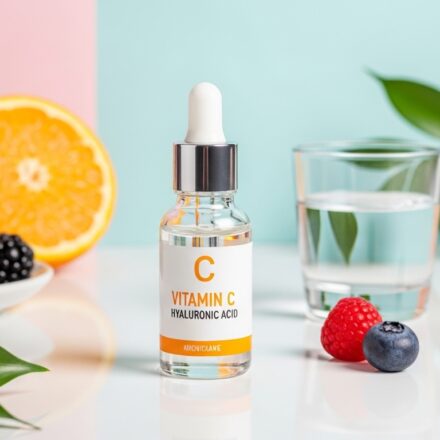
UV, pollution and general oxidative stress accelerate visible ageing. Vitamin C, vitamin E and green tea extract are commonly used antioxidants. They are a supporting step, not a treatment on their own.
Sunscreen, every single day
UVA rays penetrate window glass, so sun exposure continues even on days spent mostly indoors. Daily broad-spectrum SPF 30 or higher is the single most effective step for slowing new wrinkles and sunspots, and skipping it undermines every other product in a routine. Reapply every two hours when outdoors.
Ingredients worth building a routine around
Retinoids
Retinoids increase cell turnover and support collagen, making them one of the better-researched options for reducing the appearance of fine lines. They take 3–6 months of steady use, and they irritate — especially on dry, mature skin — if introduced too fast.
Starting safely: patch test first (a quarter-sized area on the underside of your arm or the bend of your elbow, twice a day, for 7–10 days — the AAD method). Start with a low-strength retinol, two or three nights a week, a pea-sized amount for the whole face, with moisturiser before and after. Build up only if your skin stays comfortable. Do not use retinoids if you are pregnant or trying to become pregnant — topical retinoids are not suitable in pregnancy (NHS guidance). Ask a clinician first.
Bakuchiol is sometimes presented as a gentler, plant-derived alternative to retinol. It was studied in one small 12-week trial (44 patients, Dhaliwal et al. 2019) with similar results to retinol and less irritation — promising, but one small trial is not strong evidence. Treat it as an option to discuss with a clinician, not an established substitute.
Peptides
Peptides are short chains of amino acids, and they are widely marketed as collagen boosters. The published evidence is thin: there is no good evidence that a peptide serum raises collagen, improves firmness, or prevents sagging. If you use one, treat it as a moisturiser with a pleasant texture, not as a treatment.
Hyaluronic acid
Hyaluronic acid draws water into the skin, creating a plumper appearance that makes fine lines less noticeable. It layers well with most other actives, making it a reasonable base step rather than a standalone treatment — always follow it with a moisturiser to seal the water in.
Niacinamide
Niacinamide supports an even skin tone and is generally well tolerated by mature or sensitive skin. The evidence for it reducing sebum comes from one study (Draelos et al. 2006) that found an effect in Japanese subjects only. It is a reasonable daily addition, not a treatment for wrinkles.
Lifestyle factors, honestly
Diet
Foods rich in vitamin C — citrus, berries, leafy greens — provide the vitamin C the body needs for normal collagen formation, and fatty fish and nuts provide fats that support the skin barrier. But eating vitamin C does not target skin collagen, and no food prevents wrinkles. Nutrition supports general health; it does not replace topical care.
Sleep
Consistent sleep supports general health, and poor sleep shows up as puffiness, dullness and more noticeable fine lines. Aim for 7 or more hours a night, the usual adult recommendation. Sleep is not a skin treatment, and no pillowcase changes skin.
Stress management
Chronic stress contributes to inflammation, which is linked to faster visible ageing. A daily walk, light yoga or a consistent wind-down routine are sensible habits. They support general health; they do not repair skin directly.
Avoiding smoking and excess alcohol
Both accelerate collagen breakdown and dry the skin, working against even a well-built routine. Reducing or stopping either helps gradually.
Weekly and monthly additions
Gentle exfoliation
A low-strength AHA or lactic acid formulation, once or twice a week, clears dead skin buildup and can improve how well other products absorb, generally with less irritation than physical scrubs for mature skin. More frequent exfoliation tends to compromise a barrier that is already thinner and more sensitive.
Hydrating masks
A hydrating mask once or twice a week, built around hyaluronic acid, shea butter or aloe vera, can restore moisture. It complements daily hydration; it does not replace it.
Professional treatments
Chemical peels, microdermabrasion and laser treatments can address deeper wrinkles beyond what home care achieves. Mature skin often has a lower irritation threshold, so talk to a dermatologist first — these are clinician decisions, not products to book on the strength of a blog post.
| Addition | How often | What it is for | Caution |
|---|---|---|---|
| Gentle exfoliation | 1–2x weekly | Texture, product absorption | Avoid over-exfoliating thin, mature skin |
| Hydrating mask | 1–2x weekly | Moisture, plumping | Complements rather than replaces daily hydration |
| Chemical peel | Only with professional guidance | Deeper texture concerns | Requires professional oversight |
| Retinoid use | Start 2–3 nights a week, build up slowly | Collagen support, fine lines | Patch test first; not in pregnancy |
Special attention for sensitive areas
Eyes
Skin around the eyes is thinner than the rest of the face and shows fine lines and puffiness earlier. A daily eye cream or serum with hyaluronic acid or peptides can help with hydration — apply by gently tapping, not rubbing. Caffeine is sometimes added to eye products, but the evidence that it reduces puffiness is limited. Keep products out of the eyes themselves, and see a doctor promptly for swelling lasting more than 24–48 hours, pain, or vision changes.
Neck and décolletage
These areas often show visible ageing before the face, largely because they are skipped in a routine. Extend moisturiser and sunscreen down to the neck and chest every day.
Hands
Hands are frequently exposed to sun and washing yet rarely receive the same care as the face. Daily moisturiser and broad-spectrum SPF, along with hydrating ingredients, help restore softness and reduce the appearance of fine lines here too.
Common mistakes that undermine progress
- Skipping sunscreen — UV exposure remains one of the most significant, and most preventable, drivers of new wrinkles.
- Overusing strong actives without adequate hydration — retinol or acid use without a supporting moisturiser routine can dry out and irritate skin rather than improve it.
- Ignoring lifestyle factors — smoking, poor diet, chronic stress and insufficient sleep all work against skin health.
- Applying serums to fully dry skin — slightly damp skin absorbs hydrating ingredients more effectively.
- Over-exfoliating — mature skin is generally thinner and more easily irritated by frequent or aggressive exfoliation.
- Expecting fast results — fine lines take months to change, if they change at all. Judging a routine after two weeks is too soon.
Frequently asked questions
How often should an anti-ageing serum be used after 50?
It depends on the active. Hydrating serums and niacinamide are usually fine once or twice a day. Retinoids are evening-only, starting two or three nights a week. There is no single frequency that suits every serum.
Where do wrinkles typically appear first after 50?
Fine lines and loss of firmness tend to appear first around the eyes, followed by the neck, décolletage and hands — areas with thinner skin or less consistent sun protection.
Do lifestyle changes actually reduce wrinkle formation?
They support general health, which affects how skin looks — but they are not treatments. No diet, sleep schedule or stress routine prevents wrinkles on its own. They work alongside topical care, not instead of it.
Should retinol be used on sensitive mature skin?
It can be, but only with a slow start: patch test first, a low-strength formulation, two or three nights a week, and a hydrating moisturiser alongside. If irritation persists, stop and ask a dermatologist or pharmacist. Skipping retinol entirely is also a reasonable choice.
How long does it take to see results from a wrinkle prevention routine?
Hydration can make skin look better within days to weeks. Fine lines, if they change at all, take months of steady use — retinoids need 3–6 months. A product that has not changed anything after several months is probably not going to, and the honest answer is to simplify rather than add more products.
The bottom line
Wrinkle prevention after 50 comes down to a handful of consistent habits: daily hydration, non-negotiable sunscreen, and one well-chosen active — usually a retinoid, started slowly — layered thoughtfully rather than all at once. Peptides, masks and professional treatments are supporting steps, not shortcuts. No product in this guide was tested by us, and no result is promised.
Sources: AAD sunscreen guidance; AAD guidance on reducing premature skin ageing; Hughes et al. 2013 (daily sunscreen, 24% less skin ageing over 4.5 years); AAD cosmeceuticals review on vitamin C; NHS guidance on topical retinoids in pregnancy; AAD patch-test method; Draelos et al. 2006 (niacinamide 2% and sebum); Dhaliwal et al. 2019, British Journal of Dermatology (bakuchiol vs retinol, 44 patients). This is a researched overview, not a hands-on review.