Researched overview.
Table Of Content
- Quick answer
- What a simple face and body care routine means
- Knowing your skin type
- Daily face care
- Morning
- Night
- Daily body care
- Weekly face care steps
- Face and body natural products
- Frequent simple care errors
- Sun protection for face and body
- Being aware of moisture needs
- Skin care based on weather
- Hot weather
- Cold and dry weather
- Cleanliness: hygiene practices that help the skin
- Healthy skin: food and water
- Sleep and rest to support skin repair
- Doing away with common care blunders
- When to get help
- FAQs
- Summary
Quick answer
A simple face and body routine is a short set of steps you repeat every day: wash gently, moisturise, and protect from the sun. The face needs a little more care than the body because its skin is thinner, but both need the same basics — gentle products, lukewarm water, and consistency.
You do not need expensive products. Clean water, a gentle cleanser, a plain moisturiser and sunscreen are enough to start. If your skin is red, painful, flaking badly, or has a rash, blisters or open sores, skip the extras and ask a dermatologist or pharmacist first. This guide is general information, not medical advice.
Contents: What a simple routine is · Knowing your skin type · Daily face care · Daily body care · Weekly steps · Natural products · Mistakes to avoid · Sun protection · Moisture and weather · Clean habits · Food, water and sleep · When to get help
What a simple face and body care routine means
A simple routine uses a small number of gentle steps to wash, moisturise and protect the skin. It avoids harsh products and unnecessary steps. The point is not to do less for the sake of it — it is to do the few things that matter, every day, so you actually keep doing them.
Simple care works because the skin has its own barrier: a layer that keeps water in and keeps dirt and germs out. When that barrier stays intact, the skin feels soft and calm. Harsh soaps, hot water and too many products can damage it, which can lead to redness, breakouts and itching. Gentle, steady care protects it.
A routine you can follow every day beats a complicated one you abandon after a week.
Knowing your skin type
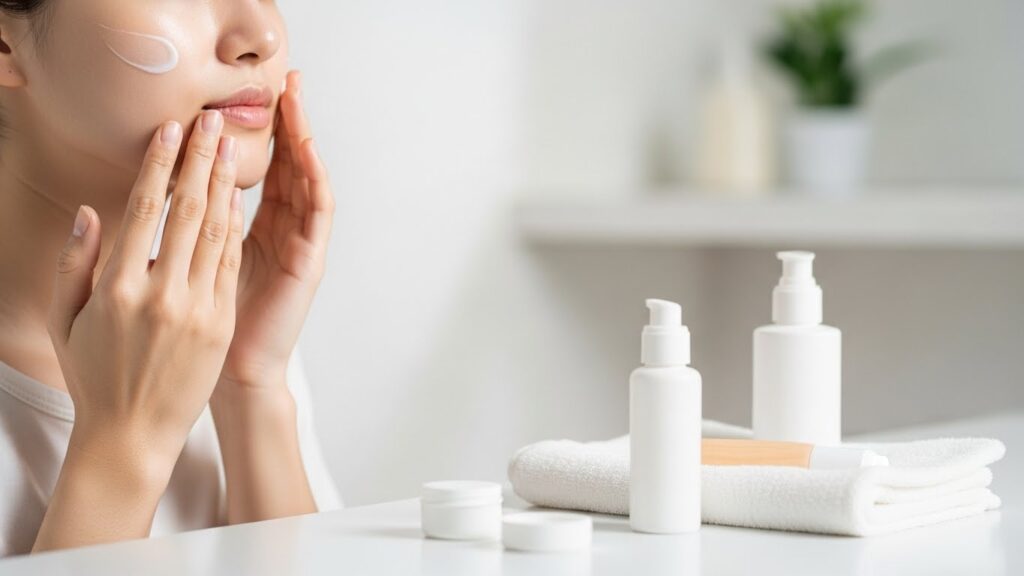
Knowing your skin type helps you choose products that suit you. There are four common types:
- Dry skin: feels rough or tight, may flake. Needs extra moisture and a gentle wash.
- Oily skin: looks shiny, pores may look larger. Needs a light moisturiser — skipping moisturiser does not help oily skin.
- Combination skin: oily in places (usually the forehead and nose) and dry in others (usually the cheeks). Needs a balanced routine.
- Normal skin: soft, neither greasy nor very dry. Needs plain, steady care.
A simple way to check is the bare-face test: wash your face with a gentle cleanser, apply nothing, and wait about an hour. Then notice how your skin feels. Tight usually means dry; shiny all over usually means oily; shiny only in the T-zone with dry cheeks usually means combination; comfortable usually means normal. This is a rough guide, not a diagnosis — if you are unsure, a dermatologist can tell you.
Daily face care
Morning
- Wash gently. Use lukewarm water and a mild cleanser, applied with your fingertips. The American Academy of Dermatology’s face-washing guidance is to use a gentle, non-abrasive cleanser that does not contain alcohol, wash with lukewarm water and your fingertips only, and pat dry with a soft towel — washcloths, sponges and scrubbing can irritate the skin. (AAD, Face washing 101)
- Moisturise. Apply a light moisturiser after washing to help the skin hold water. Oily skin still needs moisturiser.
- Sunscreen — every morning. Use a broad-spectrum sunscreen with SPF 30 or higher as the last step. The AAD recommends this daily, including on cloudy days, and reapplying every two hours when outdoors, or after swimming or sweating. (AAD sunscreen guidance)
Night
- Wash. At night, wash off the day’s dirt, sunscreen, makeup and sweat with a gentle cleanser.
- Moisturise. Use a plain night cream or a light moisturiser. Skin loses more water overnight than during the day, so night moisture helps the skin feel less tight in the morning.
- Lip care. Lips dry out easily; a plain lip balm is enough.

Daily body care
Body skin is thicker than face skin, but it still needs daily care. Many people look after their face and forget the rest.
- Wash. A bath or shower with a mild body wash or plain soap removes dirt and sweat. Strong soap can dry the skin out and make it itchy.
- Moisturise after bathing. Apply body lotion while the skin is still slightly damp — lotion holds water in better on damp skin than on dry skin. Legs, arms and elbows tend to dry out first.
- Hands and feet. They touch many surfaces and dry out quickly. A light cream keeps them soft.
Weekly face care steps
Once a week is enough for most skin types:
- A mild scrub, once a week. This removes dead skin from the surface. Use soft movements and stop if the skin feels sore. Scrubbing hard or scrubbing daily can damage the skin barrier. The AAD’s guidance is to exfoliate gently and choose a method that suits your skin type. (AAD, How to safely exfoliate at home)
- A face mask, once a week. A mask can add hydration or a feeling of calm. It does not heal the skin or replace the daily routine. Honey masks are sometimes used for dry skin and clay masks for oily skin, but the evidence for both as treatments is limited — treat them as optional extras, not as care the skin needs.
- Moisturise afterwards. Always follow a scrub or mask with moisturiser.
Face and body natural products
Natural ingredients can be part of a routine, but “natural” does not mean harmless — the FDA has never legally defined “natural” for cosmetics, so the word on a label is not a safety promise. (Mayo Clinic Health System)
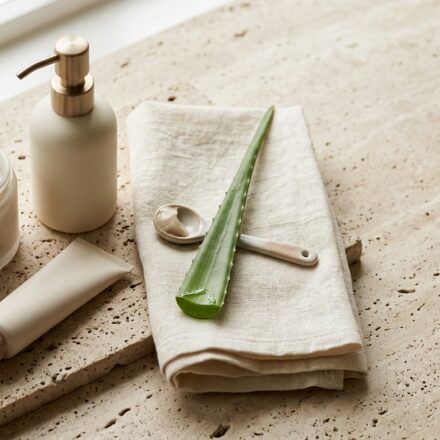
- Aloe gel: commonly used to soothe the skin. The evidence is limited, so treat it as a gentle extra, not a treatment.
- Honey: a humectant, which means it can help hold water on the skin. The evidence for honey as a skin treatment is limited.
- Milk: sometimes used on the skin, but there is no good evidence that it cleanses or softens skin.
- Coconut oil: can help dry areas, but it is heavy and can feel greasy. Use a small amount on the body rather than the face if you are prone to breakouts.
Patch test first. Before using any new product — natural or not — patch test it. The AAD method is: apply a small amount to a quarter-sized patch of skin where it will not be rubbed off (the underside of the arm or the bend of the elbow is a good spot), twice a day, for 7 to 10 days. If there is no reaction, the product is less likely to irritate your skin. Stop using it and wash the area if you get redness, itching, swelling or a rash.
Frequent simple care errors
- Over-washing. Washing too often or with harsh soap strips the skin’s natural oils and weakens the barrier. Wash twice a day and after sweating, with a gentle cleanser.
- Hot water. Hot water dries the skin out. Lukewarm water is safer.
- Skipping sun protection. Sun exposure builds up over time and can cause dark spots, uneven tone and early ageing.
- Too many products. Changing products often makes it impossible to tell what helps and what irritates. Introduce one new product at a time and give it a few weeks before judging it.
Sun protection for face and body
Sun reaches the face, neck, ears, arms and hands — the parts that are usually uncovered. Too much sun can darken the skin, dry it out and bring on early wrinkles.
- Use broad-spectrum SPF 30+ on the face and any uncovered body skin, every morning.
- Reapply every two hours when outdoors, and after swimming or sweating.
- Do not skip it on cloudy days — UV rays pass through cloud.
- Clothing helps too: loose cotton clothes, a hat and shade reduce direct exposure on sunny days.
Sunscreen is the single most effective anti-ageing step. In a 4.5-year trial, people who used sunscreen daily had 24% less skin ageing than people who used it only when they thought of it (Hughes et al., 2013).
Being aware of moisture needs
Different skin needs different moisture. Dry skin needs a thicker cream or lotion. Oily skin needs a light gel or lotion. Combination skin needs light products on the oily areas and richer care on the dry areas. Body skin usually needs more moisture than face skin — apply lotion after bathing to hold water in.
Night moisture matters too. As above, the skin loses more water overnight, so a simple night cream or oil helps the skin feel less tight in the morning.
Skin care based on weather
The same routine can be adjusted for the weather.
Hot weather
Heat brings sweat and oil, and pores can fill with a mix of sweat and dust. Wash your face after sweating with a gentle cleanser. Light gel or lotion feels better than thick cream, which can feel greasy. Loose clothes let the body breathe and reduce sweat sitting on the skin.
Cold and dry weather
Cold air takes water out of the skin, which can feel tight and flaky. A thicker cream helps protect the barrier. Lips and hands dry out first, so give them extra care. Use warm water instead of hot water — hot water strips oil from the skin.
Cleanliness: hygiene practices that help the skin
Small hygiene habits matter:
- Clean towels and fabric. Face towels collect oil, dead skin and moisture, and germs can grow in a damp towel. Use a clean, dry towel and wash towels regularly. Tight or dirty clothes can trap sweat and cause itching or breakouts; loose, clean clothes are better for the skin.
- Clean hands and tools. Hands touch many surfaces, and touching the face transfers dirt and oil to the skin. Wash your hands before touching your face. Keep hairbrushes, razors and shaving tools clean — dirty tools can scratch the skin and cause small bumps or cuts.
Healthy skin: food and water
Food and water support general health, but diet is not a treatment for skin. Eating well will not fix a skin condition on its own, and no food has been shown to clear skin.
- Water: drinking water through the day helps the body stay hydrated. It does not “flush toxins” out of the skin, and it does not replace moisturiser.
- Food: fruits, vegetables, nuts and seeds provide vitamins and healthy fats that support general health. Protein helps the body build new cells, including skin cells. Very sugary or salty food in large amounts is not good for general health, but there is no good evidence that a particular food causes or cures skin problems.

Sleep and rest to support skin repair
Sleep matters for the skin, as it does for the rest of the body. Poor sleep over time can leave the skin looking dull and tired, and dark circles and fine lines can look worse.
Most adults need at least 7 hours of sleep a night. (CDC) A regular sleep routine helps, and relaxing before bed — less screen time at night, a calm mind — helps the body rest. Sleep supports the body’s normal repair, but it is not a cure: it will not fix a skin condition on its own.
Doing away with common care blunders
- Over-washing with harsh soap dries the skin and weakens the barrier.
- Skipping sunscreen lets damage build up.
- Changing products every few days means you never learn what helps.
- Keeping the routine simple and steady is what keeps the skin calm and balanced.
When to get help
Ask a dermatologist or pharmacist if: your skin is persistently red, sore, swollen or blistering; you have a rash that does not settle; you have a skin condition such as eczema, rosacea or acne that is getting worse; or you are unsure whether a product is safe for you.
FAQs
Q1. What is a simple daily routine of face and body care?
A simple routine is a small set of steps done every day: cleanse gently, moisturise, and protect from the sun. It uses gentle products and focuses on keeping the skin’s natural balance.
Q2. How often should I do the face and body routine?
Washing, moisturising and sun care are daily. Scrubs and masks are weekly treatments, once a week for most skin types.
Q3. Can a simple routine suit every skin type?
Yes — dry, oily, combination and normal skin can all follow a simple routine. The trick is choosing gentle products that suit your skin type, and adjusting the moisturiser (light for oily skin, richer for dry skin).
Q4. Should the body get sun protection too, or only the face?
Both. Arms, neck and hands are often uncovered and need the same protection as the face.
Q5. How long before I see results from a basic routine?
Hydration can feel better within days. Changes in tone and texture take weeks of steady use, and the timing varies from person to person. No routine can promise a specific result by a specific week.
Summary
Wash gently with lukewarm water, moisturise daily, and wear broad-spectrum SPF 30+ every morning — on the face and on any uncovered body skin. Keep the routine short, add a weekly scrub or mask if you like, and keep towels and hands clean. Adjust for hot or cold weather, eat and sleep well, and give any change a few weeks before judging it. If your skin becomes irritated, simplify back to cleanser, moisturiser and sunscreen.
Sources: AAD face-washing guidance; AAD sunscreen guidance; AAD exfoliation guidance; Hughes et al. 2013; Mayo Clinic Health System on “natural” personal care products; CDC sleep guidance. This is a researched overview, not a hands-on review.