Researched overview.
Table Of Content
- Quick answer
- What clear skin needs
- How to know your skin type
- Daily cleansing habits
- Hydration and moisturizing
- Sun protection
- Healthy diet for clear skin
- Getting enough sleep and managing stress
- Regular exfoliation
- A simple skincare routine
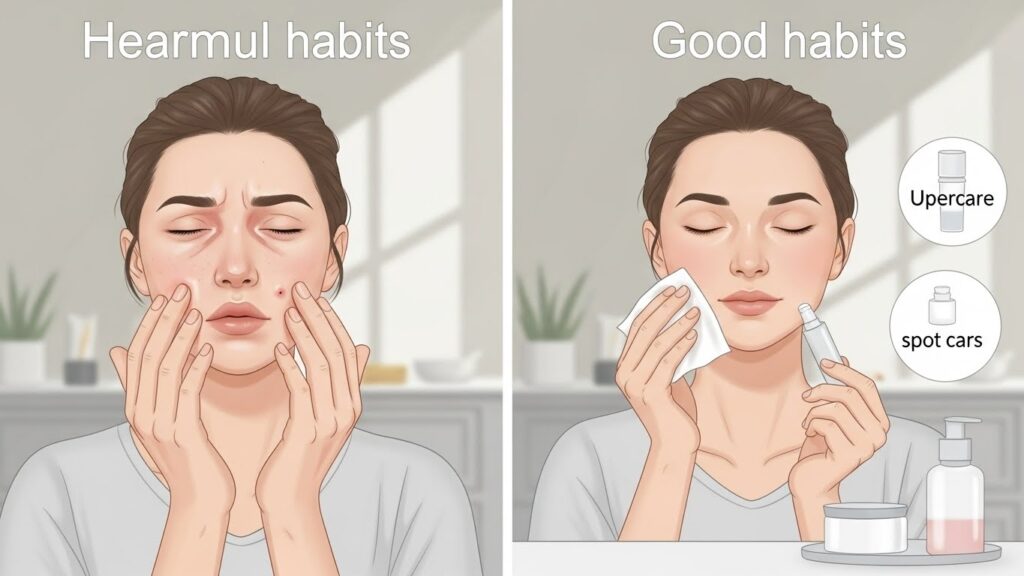
- Avoiding harmful habits
- Touching your face
- Pimple picking and squeezing
- Overuse of harsh products
- Hygiene of personal items
- Natural remedies
- Monitoring skin progress
- Lifestyle habits that add to clear skin
- A sustainable skincare routine
- Patience matters
- FAQs
- Summary
Quick answer
Clear skin does not come from the newest cream, serum or expensive procedure. It comes from everyday habits: gentle washing, moisturiser, sunscreen, enough sleep, and not doing the small things that make breakouts worse. No single product clears skin on its own, and no habit works overnight.
If you have stubborn breakouts, cystic acne, or skin that is sore, very dry or red in a way that does not settle, ask a dermatologist. This guide is general information, not medical advice.
Contents: What clear skin needs · Knowing your skin type · Daily cleansing · Hydration · Sun protection · Food · Sleep and stress · Exfoliation · A simple routine · Harmful habits · Hygiene · Natural remedies · Tracking progress · When to get help
What clear skin needs
Clear skin is not about expensive daily procedures. It grows out of steady habits: washing gently, keeping the skin hydrated, protecting it from the sun, sleeping enough, and avoiding the habits that irritate it. Patience matters — the skin changes slowly, and changing everything at once makes it impossible to tell what helps.
How to know your skin type
Knowing your skin type is the first step, because it decides which products and routines suit you. There are four common types: oily, dry, combination and sensitive. Oily skin produces more sebum and can look shiny and break out more. Dry skin feels tight, may flake, and reacts badly to harsh products. Combination skin is oily in the T-zone (forehead and nose) and dry on the cheeks. Sensitive skin is more likely to go red and react.
A simple way to check is the bare-face test: wash your face with a gentle cleanser, apply nothing, and wait about an hour. Then notice how your skin feels. Tight usually means dry; shiny all over usually means oily; shiny only in the T-zone with dry cheeks usually means combination; comfortable usually means normal. This is a rough guide, not a diagnosis — if you are unsure, a dermatologist can tell you.
Daily cleansing habits
Washing is the foundation of every skincare routine. Most people either over-wash or do not wash enough. Cleansing removes the oil, sweat, makeup, pollution and grime that can clog pores and dull the skin.
Wash twice a day — morning and evening. The morning wash removes the sweat and oil of the night; the evening wash removes the day’s makeup, pollution and grime.
Use a gentle cleanser: gel-based cleansers suit oily skin, cream-based cleansers suit dry skin, and sensitive skin does best with a fragrance-free, hypoallergenic cleanser. The American Academy of Dermatology’s face-washing guidance is to use a gentle, non-abrasive cleanser that does not contain alcohol, wash with lukewarm water and your fingertips only, and pat dry with a soft towel — washcloths, sponges and scrubbing can irritate the skin. (AAD, Face washing 101)
Do not scrub hard while washing. Rubbing can irritate the skin and make breakouts worse. Massage the cleanser in gentle circles for about 30–60 seconds, then rinse. Too much washing strips the skin’s natural oils and leaves it tight. What matters is how you wash, not how often.
Hydration and moisturizing
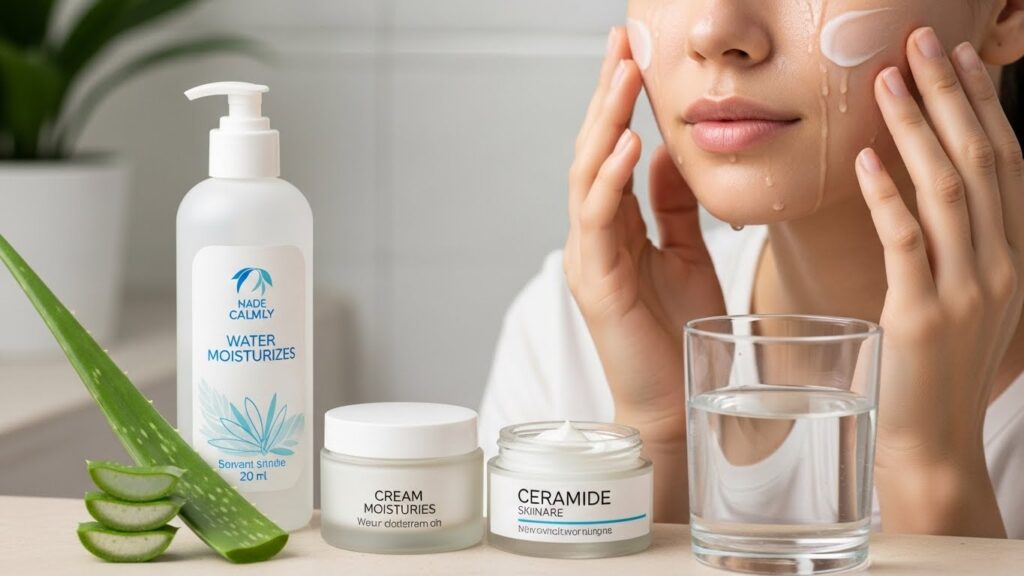
Some people confuse hydration with oiliness. Oil is sebum; hydration is water in the skin. Even oily skin can lack water. Moisturisers hold water in the skin, protect the skin barrier and improve the skin’s texture.
Choose a moisturiser that suits your skin: water-based products suit oily and combination skin, richer textures suit dry skin, and sensitive skin does well with simple moisturisers containing ceramides or aloe vera. Apply moisturiser straight after cleansing, while the skin is still slightly damp, so the water does not evaporate. A slightly heavier layer can go on dry areas and a thin layer on oily areas.
Drinking water through the day supports general hydration, but it does not replace moisturiser, and it does not “flush toxins” out of the skin.
Sun protection
Sun is the most overlooked part of skin health. UV rays can age the skin early, cause dark spots and make breakouts look worse. Many people only wear sunscreen at the beach, but daily exposure — daylight, the walk to work — adds up.
Use sunscreen in the morning, in sunny or cloudy weather. Aim for broad-spectrum SPF 30 or higher. On sensitive or acne-prone skin, use a lightweight, non-comedogenic formula that does not block pores. Reapply every two hours when you are outside, and after swimming or sweating. (AAD sunscreen guidance)
Sunscreen holds the rest of the routine together: without it, serums, moisturisers and treatments cannot reach their potential, because sun damage keeps undoing their work. Sunscreen is the single most effective anti-ageing step — in a 4.5-year trial, people who used sunscreen daily had 24% less skin ageing than people who used it only when they thought of it (Hughes et al., 2013).
Healthy diet for clear skin
What you eat supports general health, but diet is not a treatment for skin. No food has been shown to clear skin, and no diet should be presented as a cure.
Fruits, vegetables, whole grains, low-fat proteins and healthy fats provide nutrients that support general health. Some people notice breakouts with highly processed food, sugar or dairy, but that is an association, not proof of cause — and cutting out whole food groups can cause stress and nutritional deficiencies. Small changes, such as swapping sweet drinks for water or adding more vegetables, support general health. They do not clear skin on their own.
Getting enough sleep and managing stress
You cannot have clear skin without adequate rest. Sleep supports the body’s normal repair, including the skin. Poor sleep over time can leave the skin dull, with dark circles, and more prone to breakouts. Most adults need at least 7 hours of sleep a night. (CDC)
Stress can make breakouts worse for some people. The stress hormone cortisol can increase oil production and slow healing, but the effect varies from person to person and stress management is not a treatment for acne. Short walks, deep breathing and journaling can calm the mind, and a regular sleep routine helps the body rest. Getting rest and reducing tension gives the other beauty habits a better base to work from.
Regular exfoliation
Over time, dead skin cells build up and make the skin look dull and block pores. Exfoliation removes those cells and leaves smoother skin underneath.
There are two types: physical exfoliation (mild scrubs) and chemical exfoliation (AHAs or BHAs). Both need care — overdoing it can damage the skin barrier and cause irritation, redness and sensitivity. Most people are comfortable with exfoliating 1–2 times a week; sensitive skin needs it less often. Choose gentle products and do not strip the skin’s natural oils. The AAD’s guidance is to choose a method that suits your skin type and to exfoliate gently, not aggressively. (AAD, How to safely exfoliate at home)
A simple skincare routine
Consistency beats any single product. A simple morning routine is cleansing, moisturising and sunscreen. An evening routine is cleansing, one treatment product if you use one, and a slightly heavier moisturiser.
Do not change products very often. Skin needs time to respond. Introduce one new product at a time and give it a few weeks before judging it. A simple routine repeated daily gives a better result in the long run than a complicated one followed only sometimes.
Avoiding harmful habits
A good routine can be undone by a few small daily mistakes.
Touching your face
Most people touch their face without thinking. Hands carry dirt, oil and bacteria, which can block pores and lead to breakouts. If you notice you break out in the same places, watch how often your hands touch your face. The fix is simple: wash your hands, and do not rest your face on them. If the urge strikes, dab with a clean tissue instead.
Pimple picking and squeezing
However tempting it is, squeezing a pimple can make the inflammation worse, push bacteria deeper, and leave dark spots that take months to fade. It slows healing and can lead to scarring. The American Academy of Dermatology’s advice is clear: do not try to pop a pimple — picking at or squeezing it can make it more noticeable and increase the risk of infection, discoloration and scarring. (AAD, How to treat a deep, painful pimple at home) Instead, use a treatment made for breakouts — for example a product with salicylic acid or benzoyl peroxide — and let the pimple heal on its own. See a dermatologist for persistent cystic acne.
Overuse of harsh products
Some people think using many scrubs, acids or masks every day will speed things up. In fact it wears the skin barrier down and causes sensitivity, redness and breakouts. Keep the routine simple and low-key. Introduce new products one at a time and watch how your skin reacts. Waiting is more productive than overloading the skin.
Hygiene of personal items
Pillowcases, makeup brushes and phone screens collect bacteria and oils and transfer them to your skin. Not cleaning them can contribute to repeated breakouts. Wash pillowcases weekly, clean brushes regularly, and wipe phone screens regularly. These small habits reduce acne triggers.
Natural remedies
Some people like to use natural products for clear skin. They can never replace a regular routine, but gentle remedies can be used alongside standard care.
- Aloe vera for soothing: aloe vera gel is commonly used on irritated skin and can feel cooling and lightly hydrating. The evidence is limited, so treat it as a gentle extra, not a treatment. It can be used after washing.
- Honey as a natural mask: honey is a humectant and is sometimes used to soothe redness. The evidence for honey as a skin treatment is limited, so treat it as an optional extra.
- Oatmeal for gentle exfoliation: colloidal oatmeal is an FDA-listed skin protectant, with moderate evidence for temporarily relieving minor itching and dryness. Mixed with water or yogurt it makes a mild paste that can be used 1–2 times a week. It does not “scour off” skin cells — use it gently.
Important warning: patch test before using any natural remedy. Natural products can still cause allergies, especially in sensitive skin. The AAD method is: apply a small amount to a quarter-sized patch of skin where it will not be rubbed off (the underside of the arm or the bend of the elbow is a good spot), twice a day, for 7 to 10 days. If there is no reaction, the product is less likely to irritate your skin. Stop using it and wash the area if you get redness, itching, swelling or a rash.
Monitoring skin progress
Most people get impatient when there is no quick fix. To tell what works and what does not, watch what happens to your skin over time.
- Keep a skin diary. A plain notebook or photo record can track changes in texture, breakouts and hydration, along with what you ate, how you slept, your stress level and the products you used. In a few weeks, patterns become visible — which habits help and which do not.
- Change routines gradually. Skin changes slowly. Do not introduce several new products at once, or you will not know which one helped. Pick one habit or product, stick with it for a few weeks, and change it only when you can see what it did.
- Recognize when to seek help. Chronic problems — cystic acne, extreme dryness, or redness that has no clear cause — need a professional. A dermatologist can diagnose and treat them, and regular skin checks can tell normal changes apart from problems that need fixing.

Lifestyle habits that add to clear skin
Topical products alone do not make clear skin. Daily lifestyle habits support it:
- Balanced diet: a varied diet — fruits, vegetables, low-fat proteins, whole grains and healthy fats — supports general health. Extreme restriction and crash diets are not a good idea: they cause stress and nutritional deficiencies.
- Hydration: drinking water through the day supports general hydration. It does not “flush toxins” out of the skin.
- Sleep and stress management: regular sleep, rest and simple stress relief (yoga, meditation, a short walk) support general health and help the skin look better.
- Regular physical activity: exercise supports general health and circulation. Sweat can sit on the skin, so shower afterwards to avoid clogged pores.
A sustainable skincare routine
A sustainable routine is simple, regular and flexible. Complicated routines with many products overload the skin and the person using them.
- Morning: gentle wash, light moisturiser for your skin type, broad-spectrum sunscreen SPF 30+.
- Evening: remove makeup, wash, one treatment product if you use one, and a slightly heavier moisturiser.
- Tips for keeping it up: test one new product at a time; do not use many products with many ingredients at once; review weekly and make gradual changes, not sudden ones. One product used regularly is better than many products used as a follower of trends.
Patience matters
Skincare is a marathon, not a sprint. Depending on your skin type and environment, it can take weeks before habits show results. Notice small wins — less redness, smoother skin, more moisture — and let those keep you going. Think of skincare as self-care, not an obligation: that state of mind alone reduces stress, which is good for your skin.
FAQs
Q1. How long do daily beauty habits take to show results?
There is no fixed timeline. Some people notice calmer skin within a few weeks of steady care; visible changes in tone take longer and vary with skin type and lifestyle. No routine can promise a specific result by a specific week.
Q2. Can oily skin be dehydrated too?
Yes. Oily skin can still lack water. Moisturising matters for every skin type, because dryness and tightness do not help oily skin — they only make it uncomfortable.
Q3. Which foods should I avoid for clear skin?
No food has been shown to cause or cure breakouts. Some people notice breakouts with highly processed food, sugar or dairy, but that is an association, not proof. Eat a varied diet with vegetables, healthy fats and fruit.
Q4. How often should I change my skincare products?
Avoid frequent changes. Introduce one new product at a time and give it a few weeks before judging it, then introduce another if needed.
Q5. Can stress affect my skin?
Yes. Stress can make breakouts worse for some people and can slow healing. Managing stress is good for general health, but it is not a treatment for acne.
Summary
Clear skin comes from steady habits: wash gently twice a day, moisturise, wear broad-spectrum SPF 30+ and reapply every two hours outdoors, sleep at least 7 hours, and avoid the habits that make breakouts worse — touching your face, squeezing pimples and overusing harsh products. Keep a skin diary, change one thing at a time, and give any change a few weeks before judging it. If your skin is not improving, or you have cystic acne, see a dermatologist.
Sources: AAD face-washing guidance; AAD sunscreen guidance; AAD exfoliation guidance; AAD pimple guidance; Hughes et al. 2013; CDC sleep guidance. This is a researched overview, not a hands-on review.