Researched overview.
Table Of Content
Quick answer
Gentle care does not make your hair grow faster. Hair grows from the follicle under the scalp at about half an inch a month, and no shampoo, oil or routine changes that rate. What gentle care does is stop breakage — and breakage is what usually hides growth, because hair snaps off as fast as it grows.
So the honest goal of this guide is not faster growth. It is keeping the length you grow: a calm scalp, gentle washing, less heat, loose styles, and patience. If your hair is thinning at the scalp or shedding in patches, that is a different problem from breakage, and it needs a doctor, not a gentler shampoo.
Contents: How hair grows · What “harsh” means · Gentle washing · Oils · Food · Stress and sleep · Styles and heat · Measuring progress · When to see a doctor
How hair grows — and why it seems to stop
Each hair grows from a follicle under the scalp, in a cycle with three phases: anagen, the growth phase, which lasts years; catagen, a short transition phase of a few weeks; and telogen, a resting phase of a few months, after which the hair sheds. At any time, most of your hairs are in the growth phase and a small number are resting and shedding.
Losing 50 to 100 hairs a day is normal. Shedding rises 2 to 3 months after a trigger such as severe stress, illness or sudden weight loss, and fullness usually returns in 6 to 9 months once the trigger has passed. That delay confuses people: the shedding you see today is often about something that happened months ago, not about what you did this week.
The most common reason hair “stops growing” is not slow growth at all. It is breakage: the ends snap off at the same rate the roots grow, so the length never changes. Fix the breakage and the length appears.
Pattern hair loss is different again. It is largely genetic and hormonal, and no gentle routine changes it. The best-evidenced treatment for pattern hair loss is minoxidil, and even that takes 6 to 12 months to show results. If your parting is widening or your hairline is receding, gentle care will not reverse it — see the “When to see a doctor” section.
What “harsh” means here
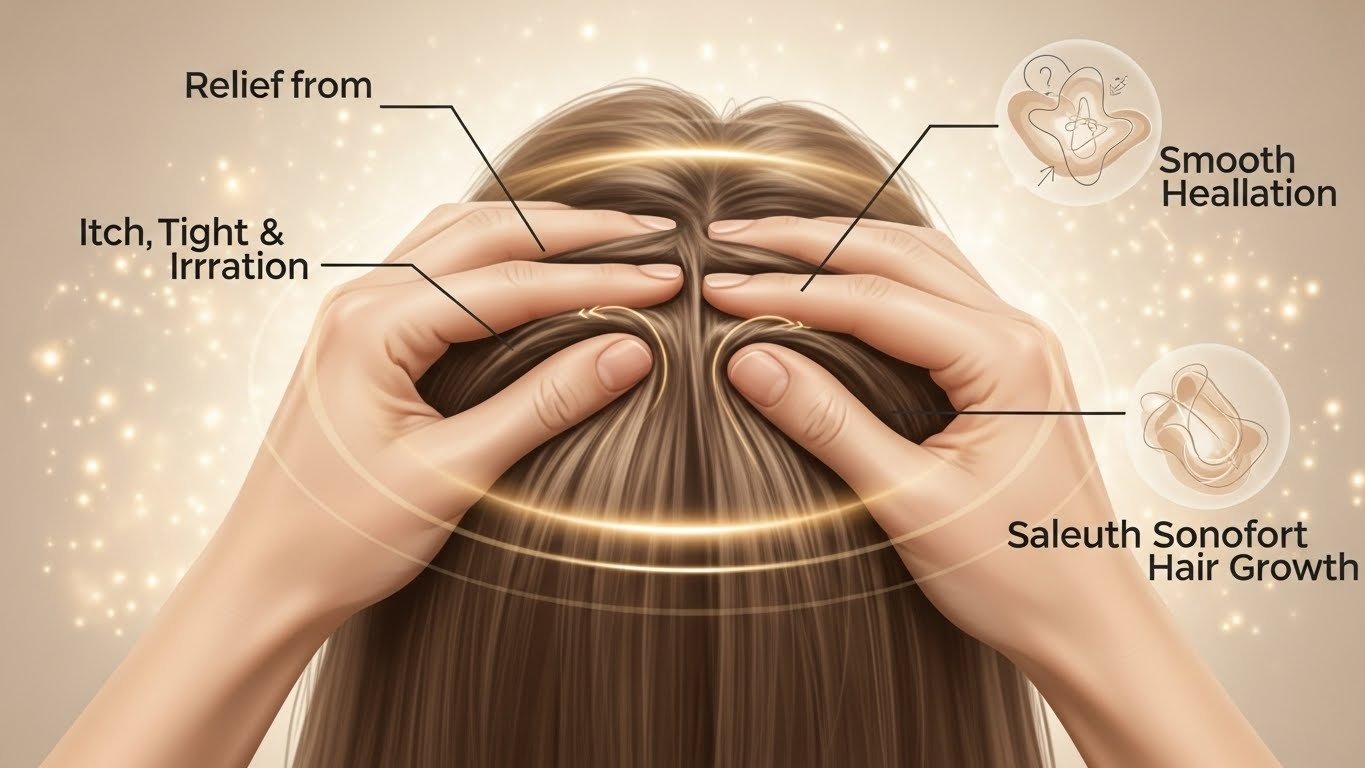
Harsh is not a label on a bottle. It is anything that strips, irritates or pulls:
- Strong, stripping cleansers that leave the scalp tight, dry or itchy.
- Heavy fragrance or colour in products, which sensitive scalps can react to with redness, itching or small bumps.
- Rough handling: scrubbing the scalp with nails, rubbing wet hair hard with a towel, yanking through knots.
- High heat, used often or on damp hair.
- Tight styles that pull at the roots day after day.
None of these “degenerate follicles”. That is an overstatement the old article made. The real problem is simpler: irritation, dryness and breakage. A product that leaves your scalp comfortable and your hair easy to handle is doing its job, whatever it costs.
Gentle washing
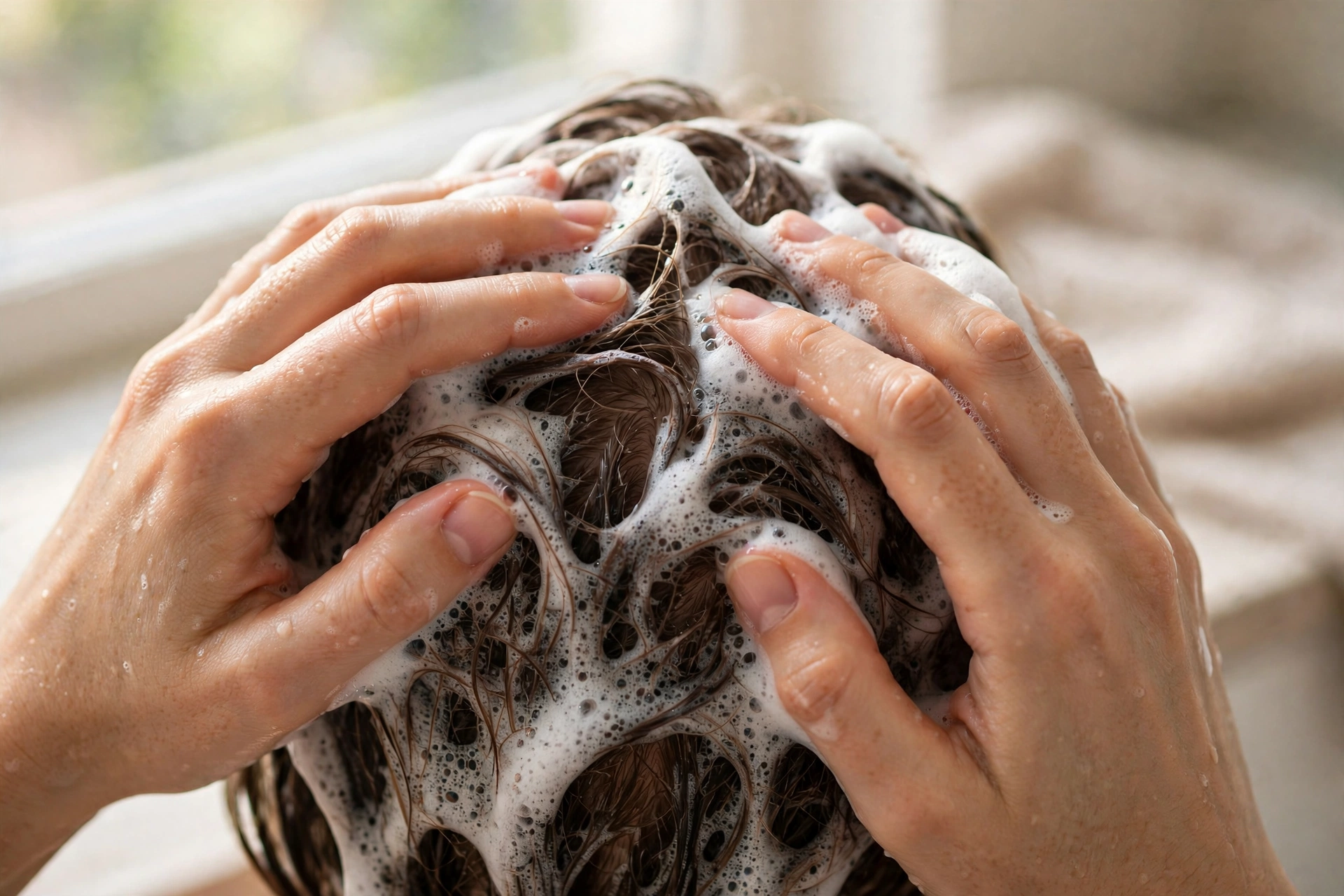
Wash when your scalp needs it, not by a fixed rule. Some scalps need washing every day, others every few days. The test is comfort: after washing, your scalp should feel clean and calm, not tight, itchy or sore.
- Use lukewarm water. Hot water strips the scalp and dries the hair.
- Use a mild shampoo, lather gently with your fingertips, not your nails, and rinse well.
- Do not over-wash and do not under-wash. Over-washing dries the scalp; under-washing lets oil and buildup sit, which can make hair look dull and feel heavy. Neither makes your scalp produce more oil — that claim is disputed, not proven, and irritation and dryness are reason enough not to over-wash.
- Conditioner goes on the lengths, from mid-length to ends, not heavily on the scalp. It reduces friction when you brush and style, which is how it prevents breakage.
Oils: support, not a cure
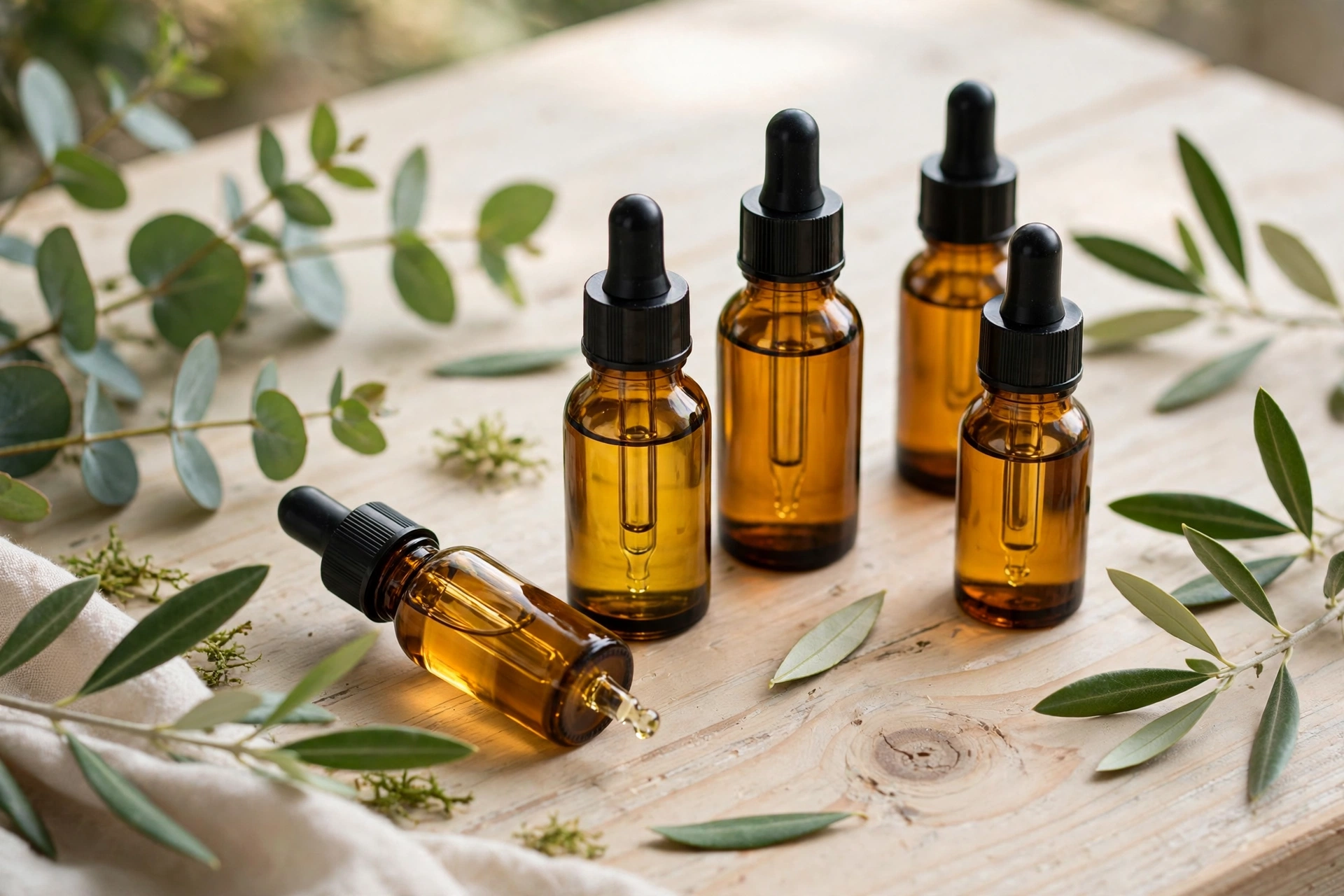
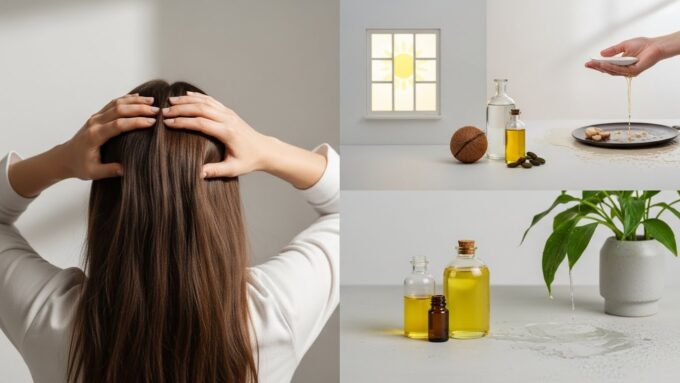
Oils do not create new hair. They coat the shaft, reduce friction, seal in moisture and make hair easier to handle. That is useful, and it is also the limit of what they do.
- Coconut oil reduces protein loss from the hair shaft during washing (Rele & Mohile 2003). It protects the hair; it does not grow it. A small amount on the lengths before washing, then washed out, is enough.
- Castor oil has no strong evidence for regrowing hair (2022 systematic review). Used lightly, it is a moisturiser, not a growth treatment.
- Jojoba oil does not regulate how much oil your scalp makes. It is a light oil that can reduce friction; nothing more.
- Scalp massage feels pleasant and can help spread oil, but it is not a growth treatment. The only study often cited for it (Koyama et al. 2016) had 9 men and no control group, which cannot support a growth claim.
Use a little oil, not a lot. Heavy oiling leaves buildup that makes hair look dull and feel weighed down, and it does not block follicles or stop growth — it just needs washing out.
Before using a new oil or treatment, patch test it: put a small amount on the inside of your arm or the bend of your elbow, twice a day for 7 to 10 days. If the skin turns red or itchy, do not use it. (This is the American Academy of Dermatology patch-test method.)
Food: support, not treatment
Hair is mostly keratin, a protein, so a balanced diet with enough protein supports normal growth. That is a general health point, not a treatment for hair loss, and diet is not a treatment for any hair condition.
- Severe restriction or crash dieting can trigger shedding 2 to 3 months later. Eat regularly and adequately.
- No supplement, dose or brand is recommended in this guide. Supplements help only where a deficiency exists, and the only way to know is a blood test.
- Biotin is vitamin B7, not B1. It helps only where there is a deficiency (Patel et al. 2017); there is no good trial of biotin for hair growth in people who are not deficient. High-dose biotin can also interfere with lab tests — it can cause a falsely low troponin result, the heart-attack test — so tell your doctor if you take it.
- Iron helps only where iron is low, and excess iron is harmful — test first, do not supplement blindly. Zinc from supplements should stay at or below 25 mg a day (NHS), because excess zinc blocks copper.
- Drinking more water does not hydrate the hair shaft. Water supports general health; it does not make hair grow.
Stress and sleep
Severe stress can push more hairs into the resting phase, so shedding rises 2 to 3 months later. That is telogen effluvium, and it usually settles once the stress passes. Everyday worry does not do this, and stress does not “divert blood to the head”.
Sleep supports general health. It is not a growth stimulant, and no routine can promise that better sleep grows hair. What helps is the ordinary stuff: regular sleep, movement, and not counting shed hairs every day, which only adds stress.
Styles and heat
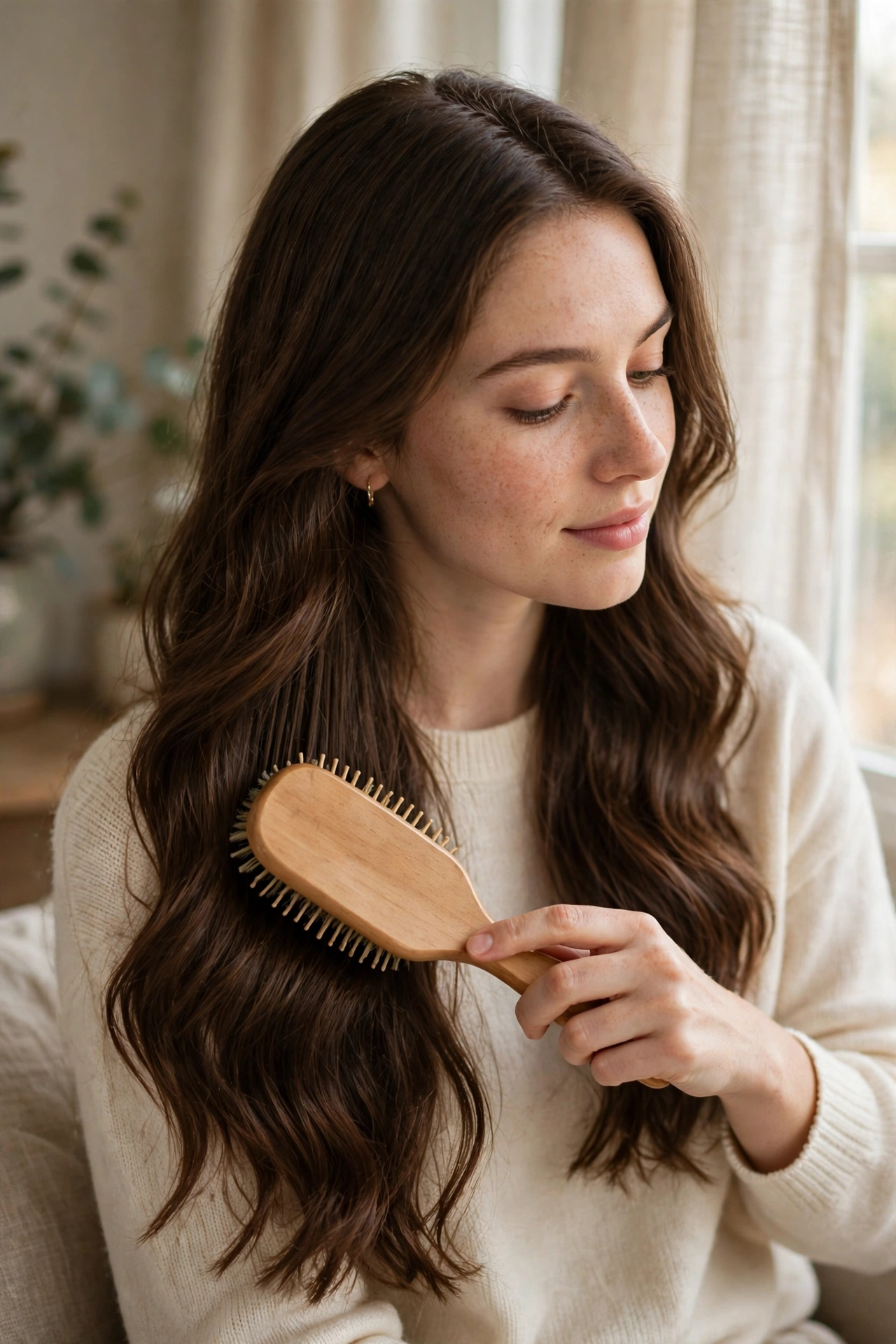
Breakage hides growth, and styles and heat are where most breakage happens.
- Loose styles. Tight braids, buns and ponytails pull at the roots. Repeated pulling can cause traction alopecia — thinning at the hairline, soreness or bumps. Early cases can recover when the tension stops, but long-standing traction can permanently damage follicles. If a style hurts, it is too tight.
- Heat. Use the lowest heat setting that works, and never use a flat iron on damp hair — water trapped in the strand turns to steam and damages it from the inside. Let hair air-dry at least partway when you can, and use a heat-protective product as its label directs. Heat protection reduces risk; it does not make high heat safe.
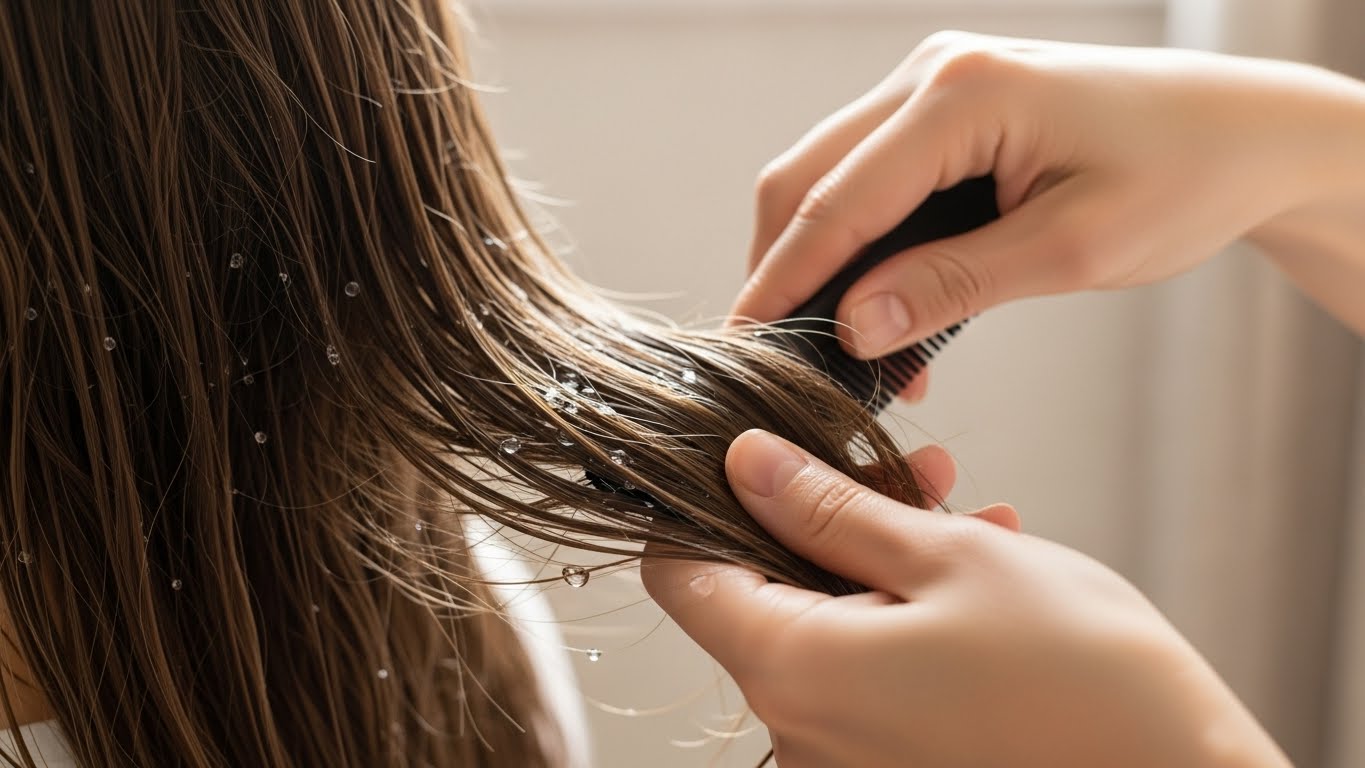
- Detangling. Detangle damp hair coated in conditioner, in small sections, fingers first, then a wide-tooth comb from the ends up. Never detangle dry hair and never yank through a knot.
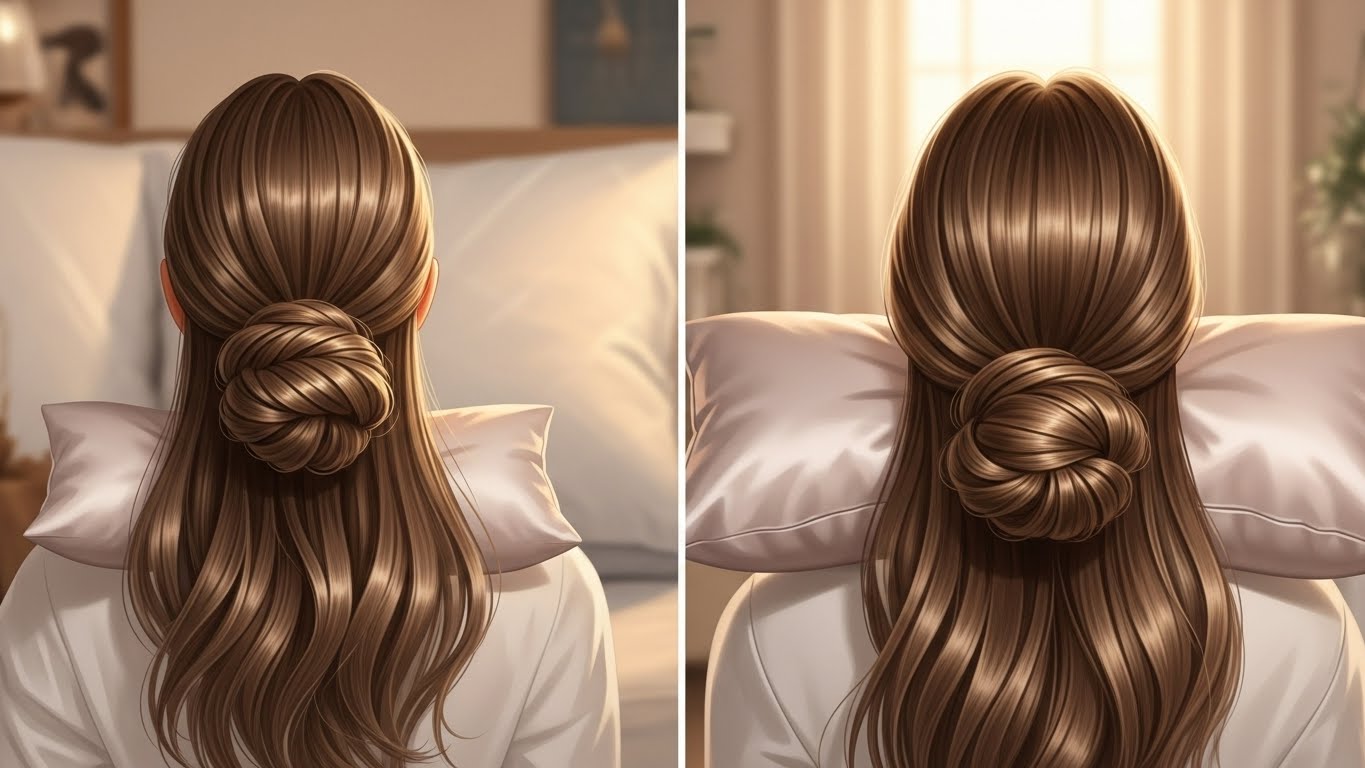
- Night. Loose braids or a low bun, and a satin or silk pillowcase, reduce friction overnight.
- Sun. The scalp is skin too — an exposed parting can sunburn, so use broad-spectrum SPF 30+ sunscreen on it, or cover it with a hat.
Measuring progress
Hair grows about half an inch a month, so length takes months to show. Do not judge a routine after a week.
- Take a photo once a month, in the same light, from the same angle. Compare photos, not feelings.
- The first signs a routine suits you are comfort and less shedding: a calm scalp, fewer broken hairs on the brush, easier detangling. Length comes later.
- Do not change products every few days. Give one routine a few weeks before judging it, and change one thing at a time so you know what helped.
When to see a doctor
See a doctor or dermatologist promptly if you notice: sudden or heavy shedding; patchy hair loss; a widening part or receding hairline; scalp pain, sores, scaling or scarring; or hair loss after starting a new medicine. Bring a list of any supplements you take, including biotin. Home care improves comfort and reduces breakage; it does not treat medical hair loss.
Summary
Gentle care cannot make hair grow faster — hair grows about half an inch a month, and pattern hair loss is largely genetic and hormonal. What gentle care can do is stop breakage, so the length you grow is kept: wash gently with lukewarm water, condition the lengths, use oils lightly as protection not treatment, eat adequately, keep styles loose, use the lowest heat that works, and detangle damp hair with conditioner. Judge by comfort first and length over months, and see a doctor for sudden, patchy or scalp-related loss.
Sources: AAD shedding guidance (50–100 hairs a day; telogen effluvium timing); AAD hair growth guidance (about half an inch a month); AAD guidance on stopping hair damage (lowest heat setting, air-dry at least partway, never flat-iron damp hair); Rele & Mohile 2003 on coconut oil and protein loss; Koyama et al. 2016 on scalp massage; Patel et al. 2017 on biotin; NHS guidance on zinc and vitamin A; FDA biotin lab-test warning. This is a researched overview, not a hands-on review.