Researched overview.
Table Of Content
- Quick answer
- What “skin detox” means — and what it does not
- How skin renews itself
- Myths about skin detox
- Signs your routine needs a reset
- Preparing: simplify first
- Washing
- Exfoliation in a detox
- Hydration and moisture
- Masks and ingredients
- Food, water, sleep and stress
- Weekly rhythm
- Seasonal adjustments
- When it is working — and when to change
- Patch test — the AAD 7–10 day method
- Choosing products
- When to get help
- Summary
Quick answer
Skin does not need “detoxing”. The body’s liver and kidneys handle the removal of waste, and no cleanser, mask or routine “detoxifies” the skin. What people usually mean by a “skin detox” is something simpler and real: a reset of habits — fewer products, gentle washing, steady hydration, a weekly mask or light exfoliation, and enough sleep. That reset can help skin that has been over-treated feel calmer and more comfortable. It cannot purge anything from the body, and it will not transform your skin in a week.
If your skin is red, painful, flaking badly, or has a rash, blisters or open sores, skip the actives and ask a dermatologist or pharmacist first. This guide is general information, not medical advice.
Contents: What “skin detox” means · How skin renews itself · Myths · Signs your routine needs a reset · Preparing: simplify first · Washing · Exfoliation · Hydration and moisture · Masks and ingredients · Food, water, sleep and stress · Weekly rhythm · Seasons · When it is working · Patch test · Choosing products · When to get help
What “skin detox” means — and what it does not
“Detox” is a marketing word, not a medical one. The skin has its own renewal system: it sheds dead cells from the surface and replaces them with new ones. It does not store toxins that need flushing out, and drinking water or using a mask does not wash toxins out of the skin.
What a “detox routine” can honestly mean is a reset: stop over-treating the skin, go back to a short gentle routine, and give the barrier time to settle. That is what this guide describes. It is not a fast programme and it is not a treatment for any skin condition.
How skin renews itself
The skin renews itself by shedding dead cells from the surface while new cells push up from below. Washing removes the dirt, oil, sunscreen and pollution that sit on the surface each day. Exfoliation helps remove dead cells that washing leaves behind. Sebum — the skin’s own oil — carries dead cells to the surface as new cells push up.
This process works on its own. Too much exfoliation or cleansing disturbs the barrier, which can lead to irritation or more breakouts. A detox routine supports this natural process; it does not fight it.
Myths about skin detox
- “A detox mask pulls toxins out of your skin overnight.” No product does this. Masks can absorb surface oil and loosen residue; they cannot remove anything from inside the body.
- “Stop moisturising to let the skin detox.” Stopping moisturiser dries the skin and damages the barrier. Dehydration and barrier damage are the most common problems caused by misdirected detox plans.
- “Add more masks and acids every day for a faster detox.” More is worse. Stripping the skin with chemicals or scrubbing hard is harmful, and daily masks overload the barrier.
- “Detox works in a few days.” It does not. Any change from gentler care is gradual — weeks of steady habits, not days. Consistency and patience matter more than intensity.
Signs your routine needs a reset
Your skin usually tells you when it needs a simpler routine: a grey or uneven texture; skin that feels tired even after rest; frequent breakouts or clogged-feeling pores; products that no longer seem to absorb; dry patches where makeup sticks; a feeling of heaviness or tightness. These are routine signs, not emergencies. Noticing them early prevents larger problems later.
Preparing: simplify first
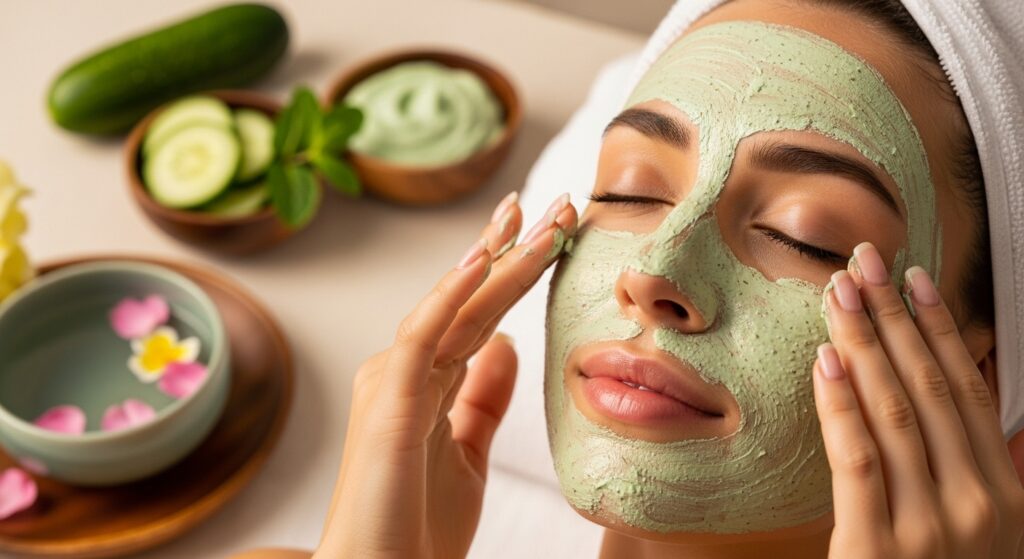 Before starting any new step, simplify. Do not add many masks or strong acids on alternate days. Keep the routine minimal — a gentle cleanser, a moisturiser, broad-spectrum sunscreen SPF 30+ in the morning — so you can tell what helps and what does not. Introduce new products one at a time and patch test first (see below).
Washing
Washing is the most important step in any skin routine. It removes impurities without damaging the natural barrier. Over-washing or using hard soaps only makes things worse.
- Wash morning and night, with different purposes: the morning wash removes the sweat and oil of the night; the night wash removes makeup, sunscreen, pollution and the day’s build-up.
- Use lukewarm water and a mild cleanser. The right cleanser does not leave the skin dry or tight.
- Wash gently with your hands. Rinse fully — leftover cleanser can irritate.
- Clean skin helps masks and serums sit on the skin, but no wash makes products “penetrate” deeper.
Exfoliation in a detox
Dead skin cells build up on the surface and make skin look dull and rough. Exfoliation removes them, but it must be done with care — too much exfoliation oversensitises the skin and causes breakouts.
- Enzyme-based or mild chemical exfoliants are usually gentler than physical scrubs for a detox.
- Use exfoliation 1 to 2 times a week on average, depending on your skin type. Start once a week.
- Watch the skin’s response: slight smoothness is a good sign; redness, stinging or flaking means you have done too much.
- Even natural ingredients can overload the skin and slow healing if used too often or too strongly.
The AAD’s guidance is to choose an exfoliation method that suits your skin type and to exfoliate gently, not aggressively. (AAD, How to safely exfoliate at home)
Hydration and moisture
Hydration is essential during a detox. Water and moisturisers support the skin barrier, keep the skin from feeling tight, and help it look and feel comfortable. Hydrated skin manages oil more easily than dry, irritated skin.
Use light, water-based serums and moisturisers during a detox. They do not make the skin heavy. Too much oil or very thick cream can leave the skin feeling congested. Do not skip moisturiser, even during a detox — hydrated skin supports the barrier, and that is the foundation of any gentle routine.
Masks and ingredients
A few ingredients are commonly used in a gentle detox. None of them “detoxifies” anything, and none is a treatment.
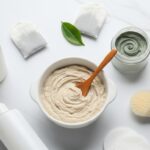
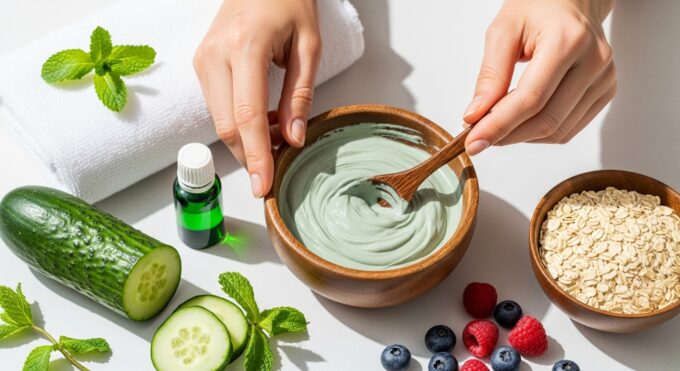
- Clay masks (for example kaolin or bentonite) can absorb excess surface oil for a few hours. The American Academy of Dermatology notes that clay can help absorb oil in masks chosen for oily or acne-prone skin. The effect is temporary — it does not change how much oil your glands make. Use a clay or mineral mask once a week, and rinse it off before it dries hard and cracks. (Prevention Australia, quoting dermatologist Cybele Fishman, on bentonite clay)
- Plant oils such as jojoba or squalane are moisturisers: they help seal water into the skin and support the barrier. Oil is not hydration on its own — water moisturises, oil seals it in.
- Aloe and green tea are commonly used to soothe skin, and the evidence for them doing so is limited. Green tea’s published evidence is about sebum, not about reducing inflammation (Mahmood et al. 2010, 2013 — small studies, promising, not proven).
Choose ingredients that do not irritate your skin. If a product stings, reddens or itches, wash it off and do not use it again.
Food, water, sleep and stress
What you do off the skin matters, but it is not a treatment.
- Water: Drink enough water for general health. It does not wash toxins out of the skin.
- Food: Foods rich in vitamins, minerals and antioxidants support general health and the skin barrier. Diet is not a treatment: no food prevents breakouts or heals the barrier on its own.
- Sleep: The skin rests and repairs during sleep. Most adults need at least 7 hours a night. (CDC sleep guidance) Poor sleep can leave skin dull or blocked-looking.
- Stress: Stress can make breakouts worse for some people. Relaxing activities such as meditation, walking or writing may help indirectly. Stress does not directly cause breakouts by itself.
Weekly rhythm
Balance comes from daily habits plus a few weekly steps:
- Daily: gentle washing morning and night, moisturiser, broad-spectrum sunscreen SPF 30+ in the morning.
- Weekly: a clay or mineral mask once a week; light exfoliation once or twice a week; rest days with no extra steps, so the skin can settle.
- When irritation appears: reduce the frequency. If redness appears after a mask, use masks less often. Resting the skin heals it faster than adding more treatments.
As the skin settles, the routine stays the same. The goal is long-term skin health, not a short-term fix.
Seasonal adjustments
Skin changes with the seasons. In winter, cold air drains moisture, so reduce exfoliation and focus on hydration with light, water-based serums and moisturisers. In humid summer weather, sweat and oil increase and pores can feel clogged; cleansing may be varied slightly and exfoliation kept mild. Rough scrubs and very thick masks damage the barrier in any season. Watch the pattern of the seasons and adjust a little — do not overreact.
When it is working — and when to change
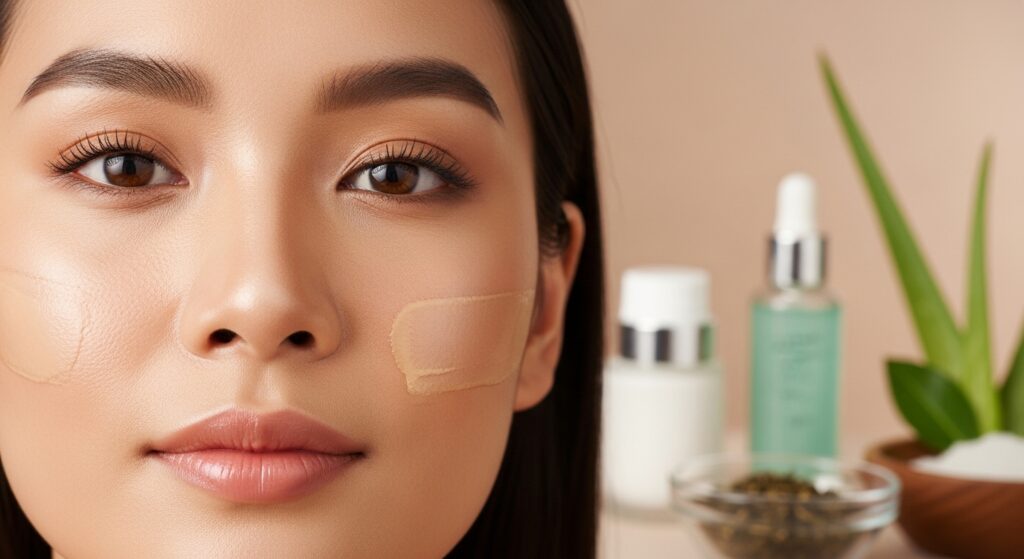 Healthy skin shows in quiet signs: texture that feels even, not rough; products and moisturisers that absorb without trouble; oil that is neither too shiny nor too dry; fewer breakouts and less congestion; makeup that sits evenly without catching on dry patches. These changes are gradual, not radical. Any sudden brightening or over-peeling is a sign of irritation, not improvement.
Change the routine when the skin talks back: burning or stinging after cleansing, flaking or peeling from exfoliation, or breakouts that appear after irritation rather than dirt. When these signs appear, simplify at once: exfoliate less, use a milder cleanser, increase hydration, and let the skin rest. Restoring the skin is faster than adding more treatments.
Patch test — the AAD 7–10 day method
Before using any new product on your face, test it first. This is the site-wide rule for BeautyKob, following the American Academy of Dermatology:
- Choose a quarter-sized area where the product will not be rubbed or washed away, such as the underside of your arm or the bend of your elbow.
- Apply the normal amount and thickness twice a day for 7 to 10 days. For a rinse-off product such as a cleanser, leave it on for about five minutes, or as long as the label says, then rinse.
- If the area becomes red, itchy, swollen or painful, stop using the product. If it stays clear for the full 7 to 10 days, introduce it on your face.
A home test cannot guarantee that your face will never react, but it catches many reactions before they reach your face. A 24-hour test is not enough — allergic reactions can take several days to appear.
Choosing products
Expensive products do not work better than cheaper ones — formulation, consistency and gentle use matter more than price. Read ingredient lists to avoid known irritants, but the skin’s own response is still the best guide: if a product leaves your skin comfortable and calm, it is doing its job. Do not layer many active ingredients on top of each other. Fewer, consistent products make it possible to track what works. Keep a simple journal or photo diary if you want to follow small changes over time.
When to get help
Ask a dermatologist or pharmacist if: your skin is persistently red, sore, swollen or blistering; you have a rash that does not settle; you have a skin condition such as eczema, rosacea or acne that is getting worse; or you are unsure whether a product or ingredient is safe for you.
Summary
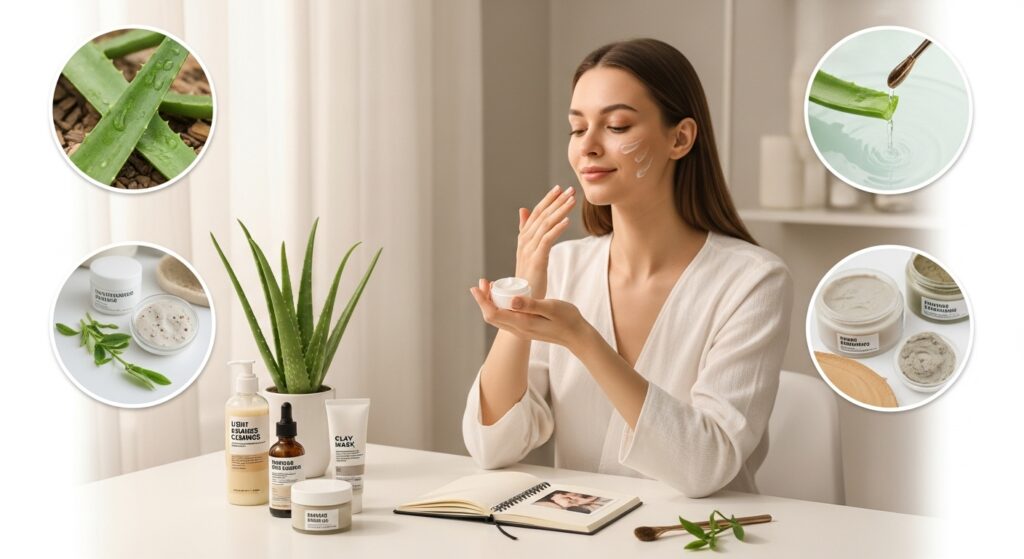 A “skin detox” is not a purge. It is a gentle reset: wash gently, exfoliate lightly once or twice a week, keep the skin hydrated, use a mask once a week, and support it with sleep, water and stress care. Do not strip the skin, do not chase quick results, and do not believe any product that promises to detoxify you. Patience, consistency and watching the skin’s response are what make a routine work.
Sources: AAD exfoliation guidance; AAD patch-test guidance; AAD notes on clay masks for oily skin; CDC sleep guidance; Mahmood et al. 2010 and 2013 on green tea and sebum. This is a researched overview, not a hands-on review.